Skip to main contentSkip to search barSkip to navigationSkip to footer
Logo of the University of Applied Sciences and Arts Northwestern Switzerland
  • DE
  • EN
  • Home

Ten Schools One Goal

The FHNW comprises 10 schools with different specializations. Select a school to see its specific courses, study programmes and information.

Applied Psychology

Architecture, Construction and Geomatics

Art and Design

Music

Computer Science

Life Sciences

School of Education

Social Work

Engineering and Environment

Business

  • Study offerings

    • All degree programmes
    • Master in Life Sciences
    • Master in Medical Informatics
    • Joint Degree Master in Biomedical Engineering
    • Info events
  • About degree programmes

    • Tuition fees and scholarships
    • Digital Life Sciences
  • International

    • Outgoing Students
    • Incoming Students
    • Double Degree
    • Partner universities
    • Student stories
    • Buddy programme
    • News and stories
  • Continuing education offerings

    • All continuing educations
    • CAS - Certificate of Advanced Studies
    • Modules and Seminars
    • Info events
  • Organisation

    • Consulting services
    • Legal information and terms & conditions
  • Research

    • Research fields
    • Projects
  • Collaboration

    • Process Technology Centre
    • Services
    • Tech Transfer Office
    • Student projects
  • International

    • Study abroad
    • International research projects
  • Updates and insights

    • News and stories
    • Research highlights
  • Events

    • All events
    • Info events
  • Media corner

  • About the School of Life Sciences

    • Strategy and values
    • Management board
    • Staff
    • Advisory board
    • People directory
    • Diversity and equal opportunities
    • Media corner
    • Infrastructure and campus
  • Institutes and centres

    • Institute for Chemistry and Bioanalytics
    • Institute for Ecopreneurship
    • Institute for Medical Engineering and Medical Informatics
    • Institute for Pharma Technology and Biotechnology
    • Centre for Teaching and Learning
    • Process Technology Centre
Logo of the University of Applied Sciences and Arts Northwestern Switzerland
  • About the School
    • School
    • Degree Programmes
    • Continuing Education
    • Research
    • Events
  • Social Media
    • Facebook
    • Instagram
    • YouTube
    • LinkedIn
  • About FHNW
    • Organisation
    • Schools
    • Locations
    • FHNW Library
    • Media Relations
  • Support
    • IT Support
    • Inside FHNW
    • Webmail
  • Data Protection
  • Imprint
  • Accessibility
  • Study offerings

    • All degree programmes
    • Master in Life Sciences
    • Master in Medical Informatics
    • Joint Degree Master in Biomedical Engineering
    • Info events
  • About degree programmes

    • Tuition fees and scholarships
    • Digital Life Sciences
  • International

    • Outgoing Students
    • Incoming Students
    • Double Degree
    • Partner universities
    • Student stories
    • Buddy programme
    • News and stories
  • Continuing education offerings

    • All continuing educations
    • CAS - Certificate of Advanced Studies
    • Modules and Seminars
    • Info events
  • Organisation

    • Consulting services
    • Legal information and terms & conditions
  • Research

    • Research fields
    • Projects
  • Collaboration

    • Process Technology Centre
    • Services
    • Tech Transfer Office
    • Student projects
  • International

    • Study abroad
    • International research projects
  • Updates and insights

    • News and stories
    • Research highlights
  • Events

    • All events
    • Info events
  • Media corner

  • About the School of Life Sciences

    • Strategy and values
    • Management board
    • Staff
    • Advisory board
    • People directory
    • Diversity and equal opportunities
    • Media corner
    • Infrastructure and campus
  • Institutes and centres

    • Institute for Chemistry and Bioanalytics
    • Institute for Ecopreneurship
    • Institute for Medical Engineering and Medical Informatics
    • Institute for Pharma Technology and Biotechnology
    • Centre for Teaching and Learning
    • Process Technology Centre

Type a search term and search continuing education,degree programmes, events, documents and other content.

Water, sanitation, and hygiene, FHNW School of Life Sciences

School of Life Sciences


  • Life Sciences
  • Research and services
  • Research in life sciences
  • Research fields
Research fields
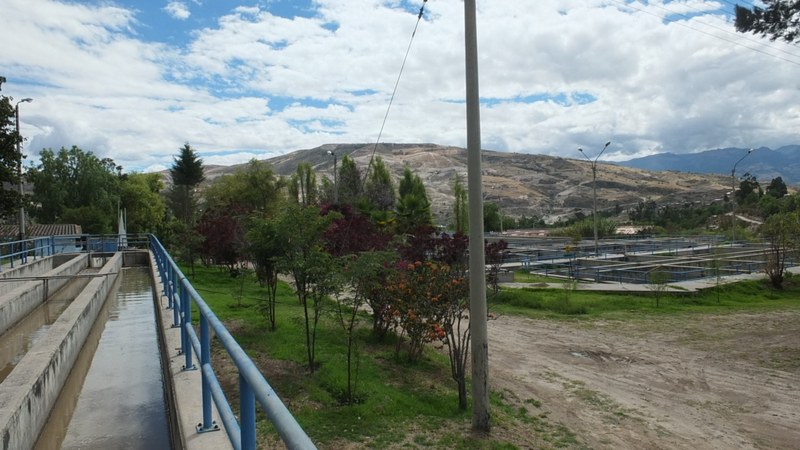
UNO Wasserkonferenz.jpg

Safe water, sanitation, and hygiene in international development and humanitarian action

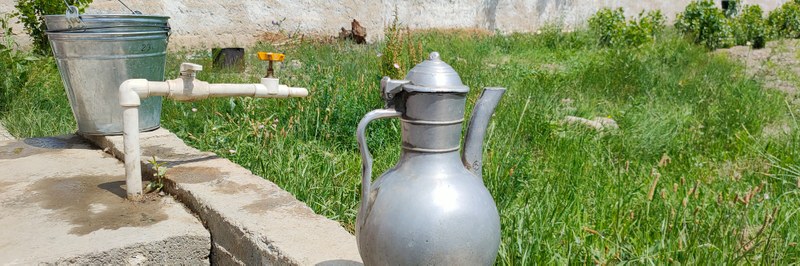
The Water, sanitation and hygiene (WASH) research group is dedicated to improving access to safe water, sanitation, and hygiene in the context of international development and humanitarian action.

Our team of interdisciplinary experts conducts impact-oriented research and supports implementing organizations in the development and evaluation of innovative WASH technologies and approaches.

Expertise

  • WASH technology development and evaluation
  • Local social innovation for WASH
  • Interdisciplinary approaches to WASH including Health, Industrial and Social Design, Behavior Psychology, Information and Communication Technologies, Education, and Architecture
  • System thinking approach to improve sustainability in humanitarian action 
  • Context-specific training for practitioners, teachers, and students
  • Curriculum development with universities and applied research partnerships
  • Technical backstopping support for organizations working in international development and humanitarian aid.

Research focus areas

WASH innovations and impact evaluation

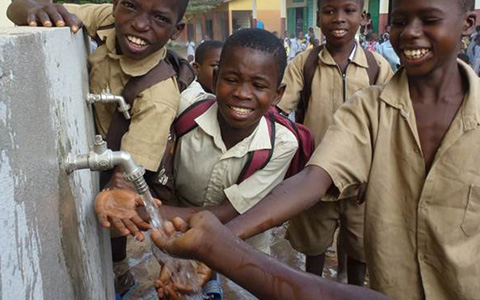
Our focus is on improving access to safe water, sanitation and hygiene in international development and cooperation. Our research covers drinking water supply, hygiene, and sanitation in households, communities, and institutions. We collaborate with NGOs, universities, authorities, and vocational training centers to evaluate and implement WASH innovations and evaluate the sustainability of WASH interventions.

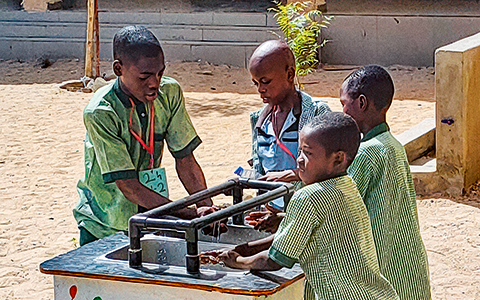
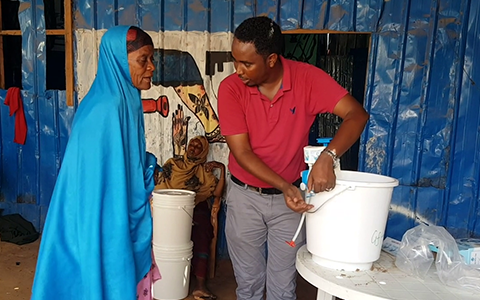
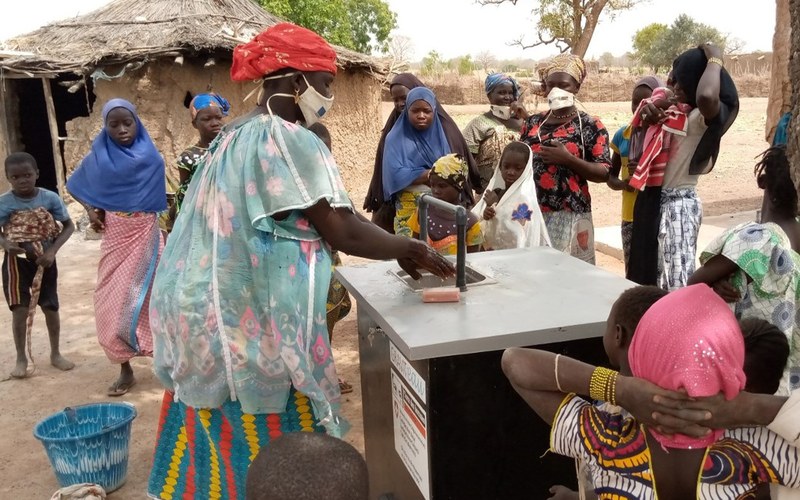
Our projects include guidelines for context-specific handwashing infrastructure, and developing innovative handwashing water recycling systems for schools and health care facilities without access to clean water. The development of sustainable handwashing infrastructure management is a key part of these projects. Our water supply projects focus on resource-efficient and gravity-driven technologies for household, community, and institutional water supply and disinfection. At a larger scale, we work on strengthening the resilience of large-scale WASH infrastructure. 

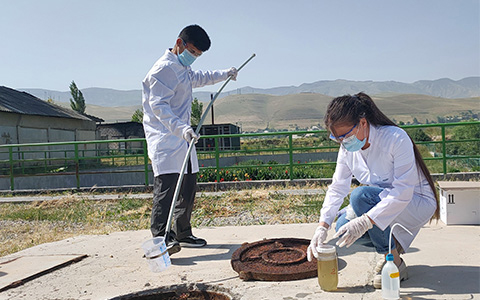
In the sanitation field, our focus is on nature-based wastewater treatment solutions for institutions and small communities using a combination of anaerobic processes, constructed wetlands, and biological wastewater treatment. We support the establishment of wastewater analysis labs and provide training in infrastructure evaluation and analysis, as well as project planning. We also evaluate waterless sanitation technologies for households and communities. Effective management is a crucial aspect of all our WASH projects.

WASH in emergencies

The number of humanitarian emergencies caused by conflict, natural disasters, and human-made disasters is on the rise, affecting one in every 23 people in the world.

Provision of water, hygiene, and sanitation services essential for survival and disease prevention. The emergencies increasingly impact urban areas with complex interdependent infrastructure, making humanitarian assistance challenging. Climate change and prolonged emergencies exacerbate the vulnerability of affected populations. The sustainability of the WASH interventions becomes essential also in the humanitarian context.

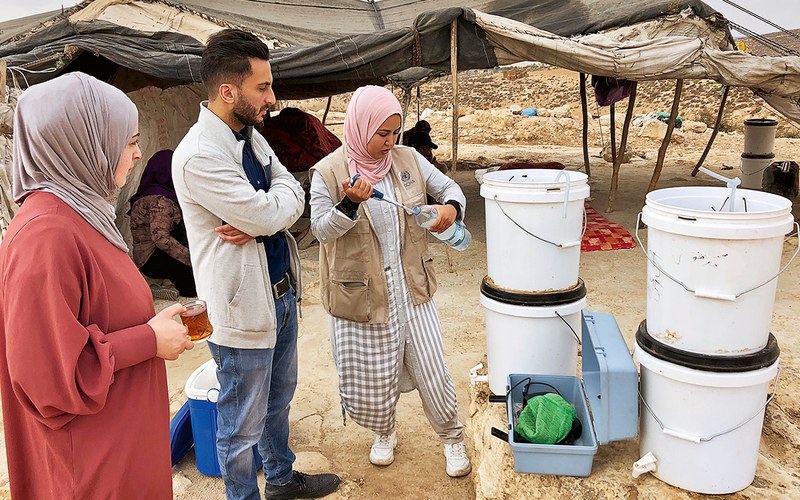
We partner with humanitarian organizations and authorities to generate evidence on the effectiveness and sustainability of WASH technologies and interventions in emergency contexts. Our focus is on evaluating innovations in the WASH sector, integrating interdisciplinary approaches, and providing technical backstopping support to humanitarian organizations and authorities.

WASH education and research partnerships

We partner with universities to support the development of WASH curricula and courses, focusing on topics such as Water Supply, Sanitation, Hygiene, WASH in Emergencies, Sustainability and Resilience, and Water and Health.

Our activities include providing training and teaching materials for students, teachers, and practitioners, both in-person and online, and developing teaching capacities with partner universities. Additionally, we establish applied research collaborations, conducting laboratory analysis of water and wastewater quality, implementing technology and impact evaluation concepts, and maintaining research networks.

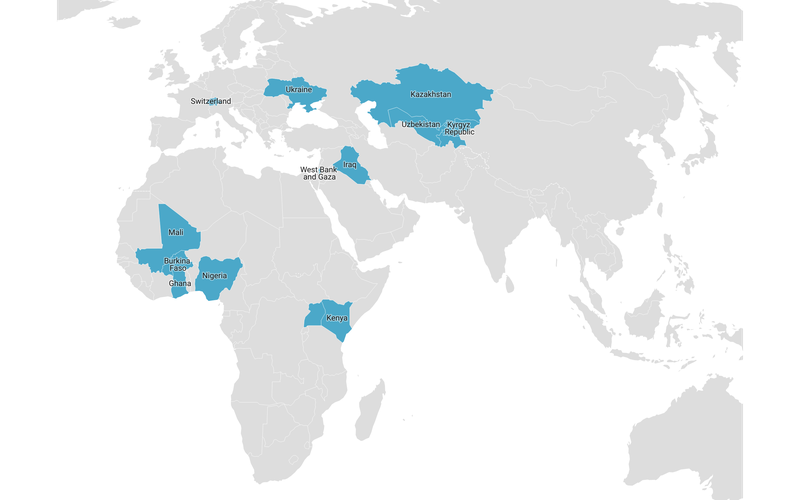
Geographical reach

News and stories

Loading

Projects

Loading

Publications

Contact

Maryna Peter

Dr. Maryna Peter

Team leader and lecturer, WASH
Phone
+41 61 228 57 92
E-Mail
maryna.peter@fhnw.ch

Team

Loading

School of
Life Sciences FHNW University of Applied Sciences and Arts Northwestern Switzerland

  • About the School
    • School
    • Degree Programmes
    • Continuing Education
    • Research
    • Events
  • Social Media
    • Facebook
    • Instagram
    • YouTube
    • LinkedIn
  • About FHNW
    • Organisation
    • Schools
    • Locations
    • FHNW Library
    • Media Relations
  • Support
    • IT Support
    • Inside FHNW
    • Webmail
Logo FHNW - 20 Years
Logo Swiss Universities
Logo European University Association
© University of Applied Sciences and Arts Northwestern Switzerland (FHNW)
  • Data Protection
  • Imprint
  • Accessibility
  • DE
  • EN