Skip to main contentSkip to search barSkip to navigationSkip to footer
Logo of the University of Applied Sciences and Arts Northwestern Switzerland
  • DE
  • EN
  • Home

Ten Schools One Goal

The FHNW comprises 10 schools with different specializations. Select a school to see its specific courses, study programmes and information.

Applied Psychology

Architecture, Construction and Geomatics

Art and Design

Music

Computer Science

Life Sciences

School of Education

Social Work

Engineering and Environment

Business

  • Study offerings

    • All degree programmes
    • Bachelor of Arts
    • Master of Arts
    • CoCreate programme
    • PHD programmes
    • MDes programme
    • Integral HGK Basel
    • Guest Auditors
    • Info events
  • All about studying

    • Enrolment at the HGK Basel
    • Fees and scholarships
    • Degree programme administrations
    • Semester dates
    • Tools for studying
    • Counselling services
    • German language courses
    • Insurance and pensions
    • Civilian and military service
    • Legal and formal matters
    • Course catalogue
  • Study Internationally

    • International students
    • Incoming students
    • Outgoing students
    • Internship
    • Partner universities
    • German language courses
  • Continuing education offerings

    • All continuing education programmes
    • MAS - Master of Advanced Studies
    • CAS - Certificate of Advanced Studies
    • Modules
    • Info events
  • All about continuing education

  • International Office

    • Mobility for academics and staff
    • Study Internationally
  • Research

    • Research fields
    • Projects
    • PhD Projects
  • Collaboration

    • Services
  • Updates and insights

    • News and stories
    • Applause
    • Publications
    • Newsletter (DE)
  • Events

    • All events
    • Info events
  • Media

  • About the Basel Academy of Art and Design

    • Management and organisation
    • People directory
  • Institutes

    • Institute Art Gender Nature
    • Institute Arts and Design Education
    • Institute Contemporary Design Practices
    • Institute Digital Communication Environments
    • Institute Experimental Design an Media Cultures
  • Campus and Infrastructure

    • CIVIC
    • Media Library Basel
    • der TANK
    • FoodCultureLab
    • Café Freilager and Bistro of the Arts
    • Sport
    • Studi-Lounge
    • Accessibility & Facilities
  • Campus.Workshops

    • Sculptor’s studio
    • Bookbinding
    • Digital Fabrication Lab
    • Woodworking
    • Plastics
    • Paint shop
    • Media.Workshop
    • Metalworking
    • Sewing.Island
    • Screen printing
Logo of the University of Applied Sciences and Arts Northwestern Switzerland
  • About the School
    • HGK Basel
    • Degree Programmes
    • Continuing Education
    • Research
    • News & Stories
    • Events
    • NEXT Generation Degree Projects
  • Social Media
    • Instagram
    • LinkedIn
  • About FHNW
    • Organisation
    • Schools
    • Locations
    • FHNW Library
    • Media Relations
  • Support
    • IT Support
    • Inside FHNW
    • Webmail
  • Data Protection
  • Imprint
  • Accessibility
  • Study offerings

    • All degree programmes
    • Bachelor of Arts
    • Master of Arts
    • CoCreate programme
    • PHD programmes
    • MDes programme
    • Integral HGK Basel
    • Guest Auditors
    • Info events
  • All about studying

    • Enrolment at the HGK Basel
    • Fees and scholarships
    • Degree programme administrations
    • Semester dates
    • Tools for studying
    • Counselling services
    • German language courses
    • Insurance and pensions
    • Civilian and military service
    • Legal and formal matters
    • Course catalogue
  • Study Internationally

    • International students
    • Incoming students
    • Outgoing students
    • Internship
    • Partner universities
    • German language courses
  • Continuing education offerings

    • All continuing education programmes
    • MAS - Master of Advanced Studies
    • CAS - Certificate of Advanced Studies
    • Modules
    • Info events
  • All about continuing education

  • International Office

    • Mobility for academics and staff
    • Study Internationally
  • Research

    • Research fields
    • Projects
    • PhD Projects
  • Collaboration

    • Services
  • Updates and insights

    • News and stories
    • Applause
    • Publications
    • Newsletter (DE)
  • Events

    • All events
    • Info events
  • Media

  • About the Basel Academy of Art and Design

    • Management and organisation
    • People directory
  • Institutes

    • Institute Art Gender Nature
    • Institute Arts and Design Education
    • Institute Contemporary Design Practices
    • Institute Digital Communication Environments
    • Institute Experimental Design an Media Cultures
  • Campus and Infrastructure

    • CIVIC
    • Media Library Basel
    • der TANK
    • FoodCultureLab
    • Café Freilager and Bistro of the Arts
    • Sport
    • Studi-Lounge
    • Accessibility & Facilities
  • Campus.Workshops

    • Sculptor’s studio
    • Bookbinding
    • Digital Fabrication Lab
    • Woodworking
    • Plastics
    • Paint shop
    • Media.Workshop
    • Metalworking
    • Sewing.Island
    • Screen printing

Type a search term and search continuing education,degree programmes, events, documents and other content.

Process Design BA at HyperWerk, Basel Academy of Art and Design

Basel Academy of Art and Design


  • Art and Design
  • Degree programmes
  • Study offerings
  • All degree programmes
All degree programmes
Bildauswahl_FHNW_Webiste_Header_Prozessgestaltung_FOTO_Anisha_Mendis.jpg

Everything in our world is designed: from our everyday objects and the architecture of our cities to the structures and systems that affect how we interact. As designers, we help to shape this world: students learn how to develop different forms of co-living and initiate social change. The focus is on the key issues of social justice, sustainability and digitality, which are addressed in a collaborative way.


Factsheet

Degree
Bachelor of Arts FHNW in Process Design
Study mode
Full-time
Learning environment
Onsite
ECTS points
180
Next start
14.9.2026
Duration
6 Semester
Language
German (B2 or equivalent), partly in English
Place
Campus HGK Basel
Staying abroad
Possible
Application fee
CHF 200.- (incl. aptitude assessment and enrolment)
Semester fee
CHF 750 (CH); CHF 1.000 (EU); CHF 1.250 (Not-EU/EFTA)
Documents
  • Auszug Gebührenordnung FHNW
  • HGK-Studienjahresstruktur 2026-2027

At a glance

  • Students learn to develop different forms of coexistence and initiate social change.
  • The focus is on the key issues of social justice, sustainability and digitality, processes which need addressing collaboratively.
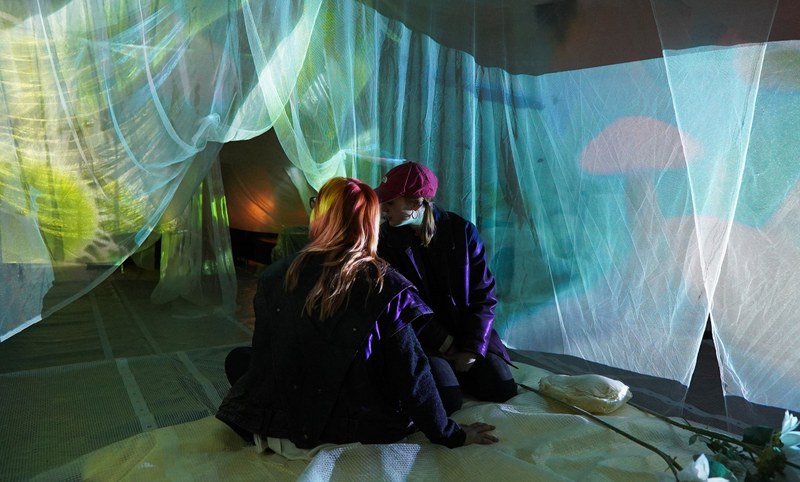
  • The programme integrates multimedia design tools that explore new forms of expression in an experimental way
  • Bildauswahl_Karussel_BA3.jpg
  • Bildauswahl_Karussel_BA2.jpg

Why study this?

Goals and benefits

During the course of their studies, students acquire process design skills:

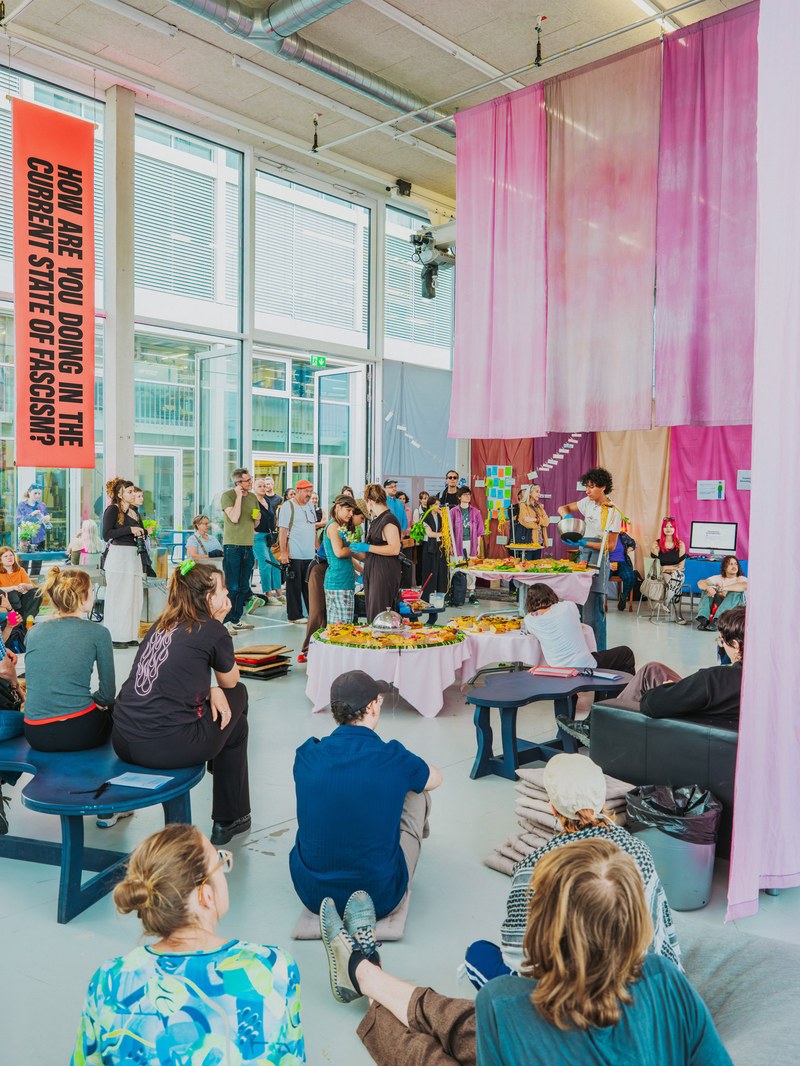
Collaboration: developing collaborative forms of relationship
Process designers learn to shape forms of relationships that are both dynamic and yet binding. Whether in the collective process of teamwork, in the design of a physical meeting space or in interaction at a distance, students hone their ability to think in a networked way, to assess interrelationships and to use this in their projects.

Design: experimenting with new forms of expression
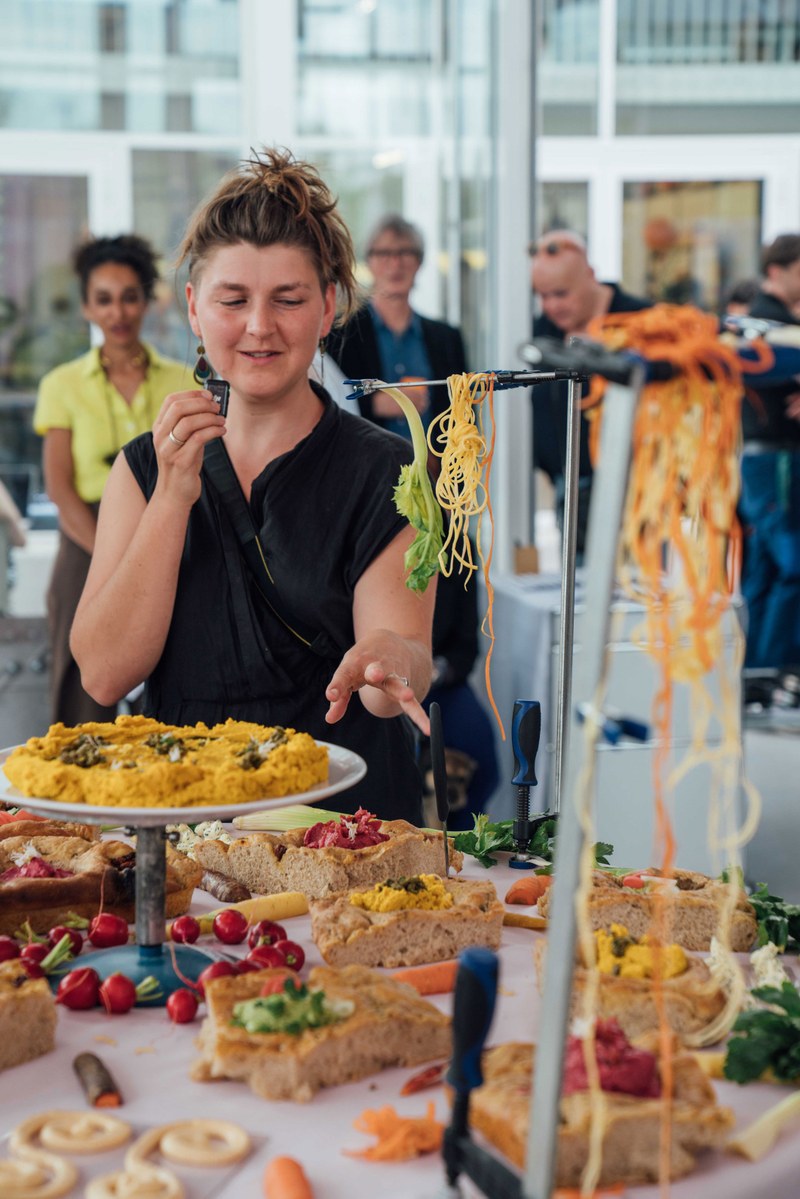
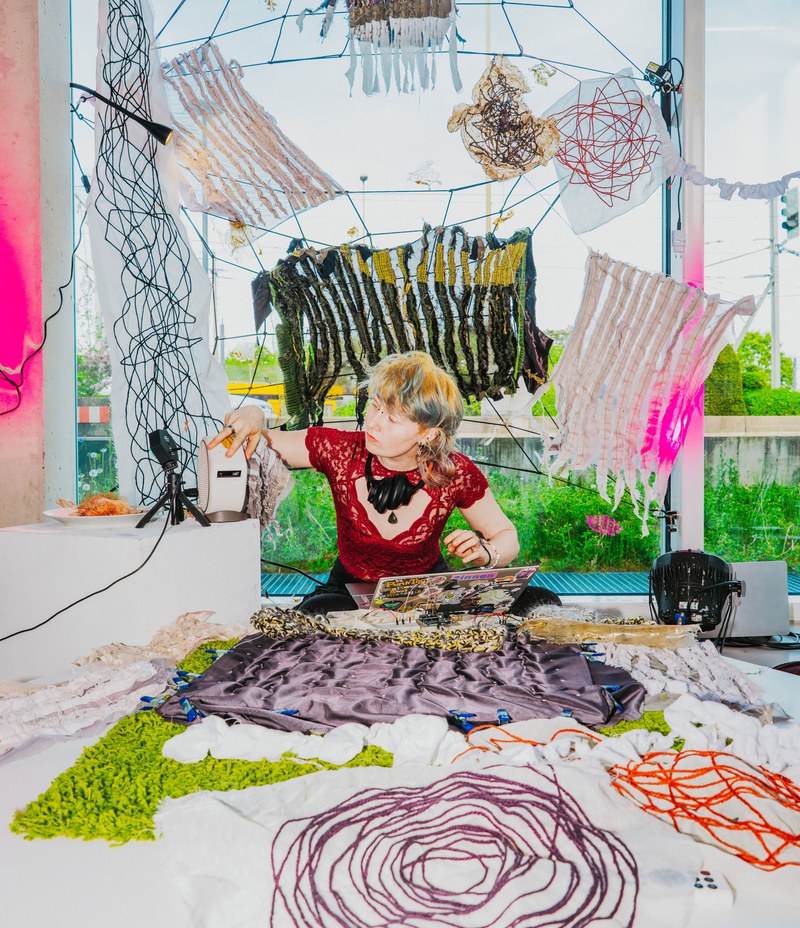
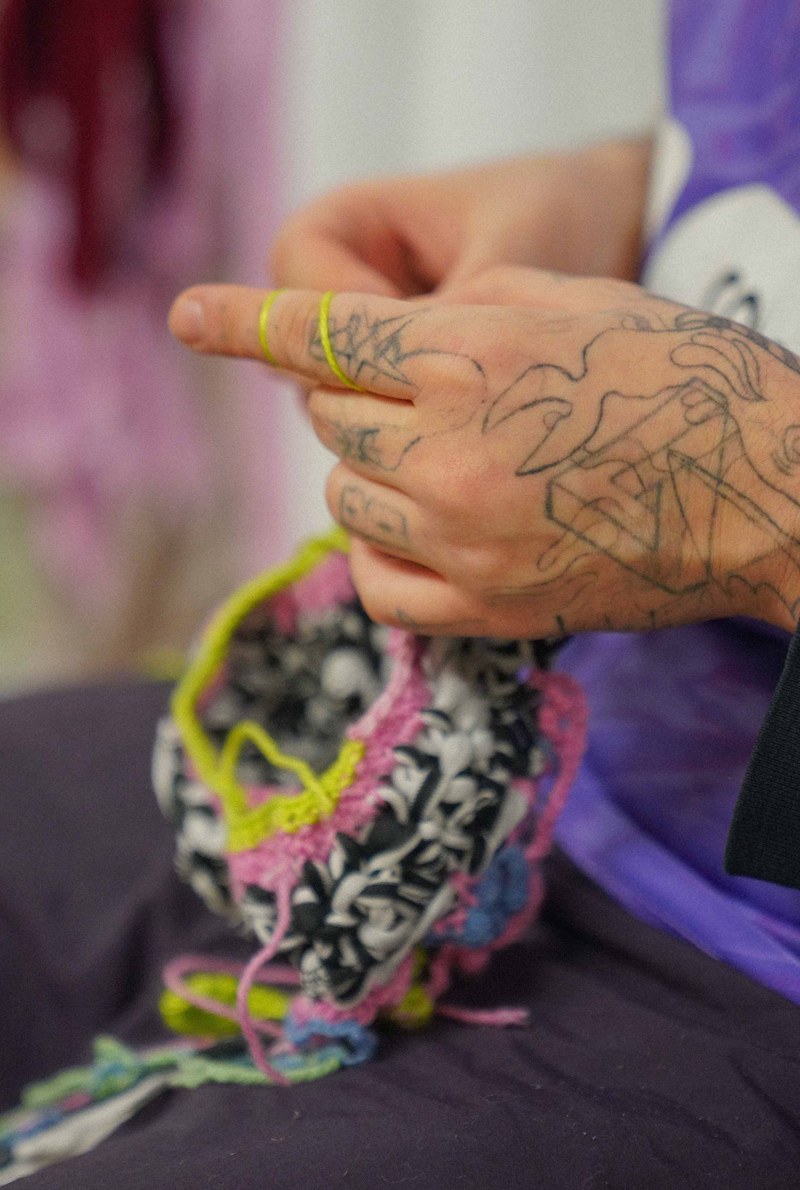
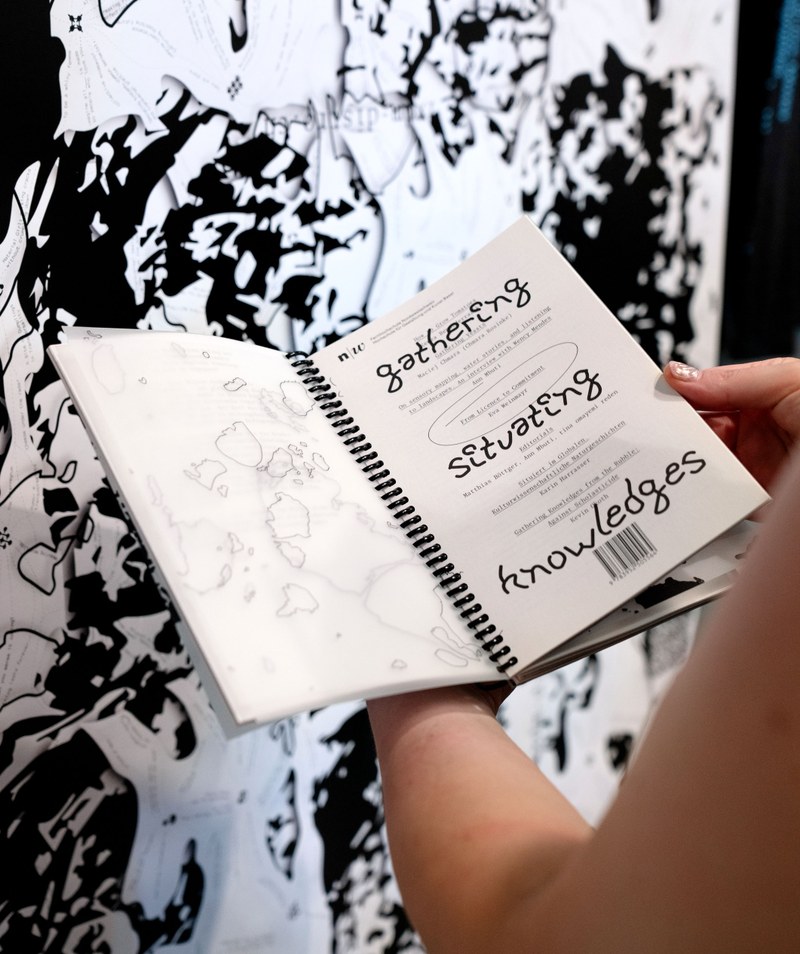
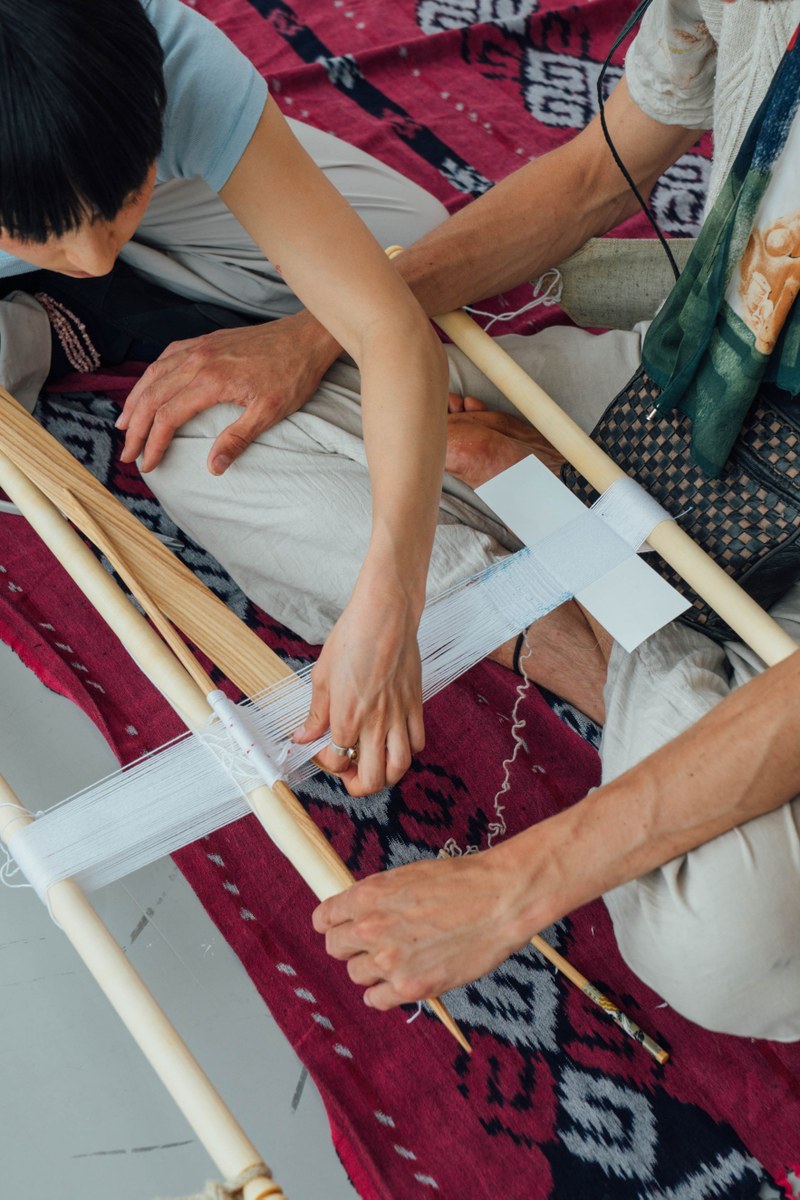
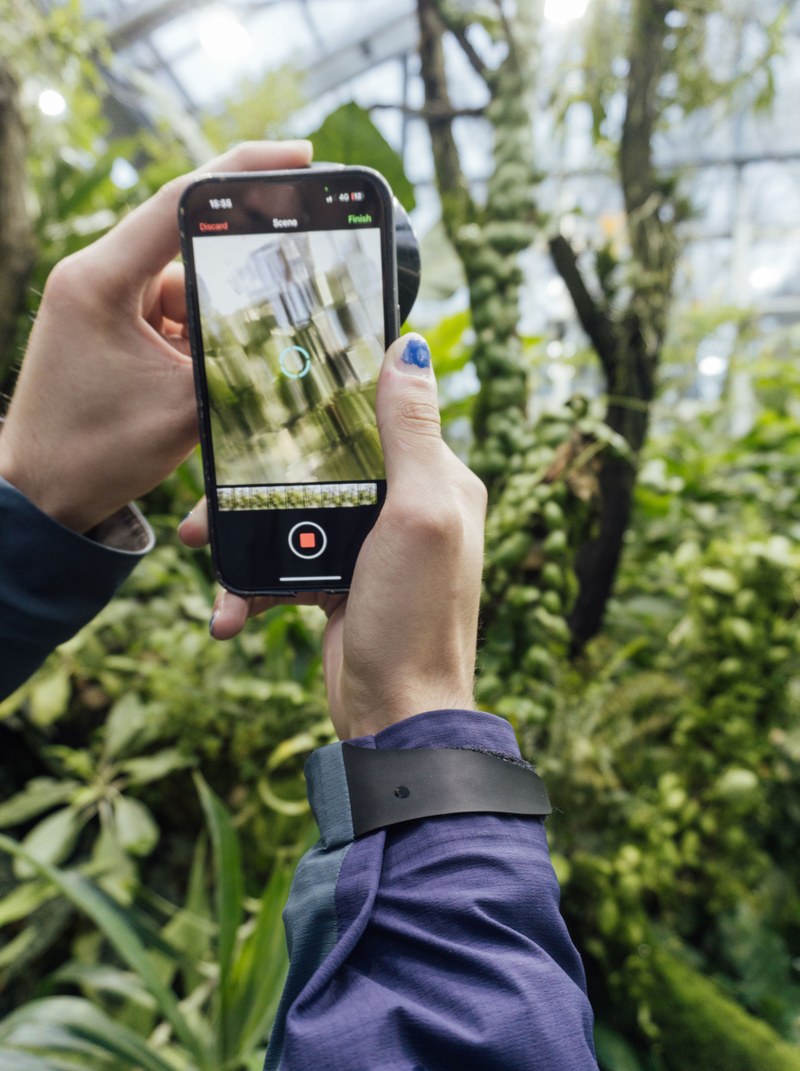
During their studies, process designers experiment with both analogue and digital tools, including text, illustration, photography, audio, video, coding, 3D printing, virtual reality, multimedia and performative formats. Through a playful approach, determined implementations featuring new aesthetics develop in the search for the appropriate forms of expression.

Reflection: critical and attentive documentation and discussion
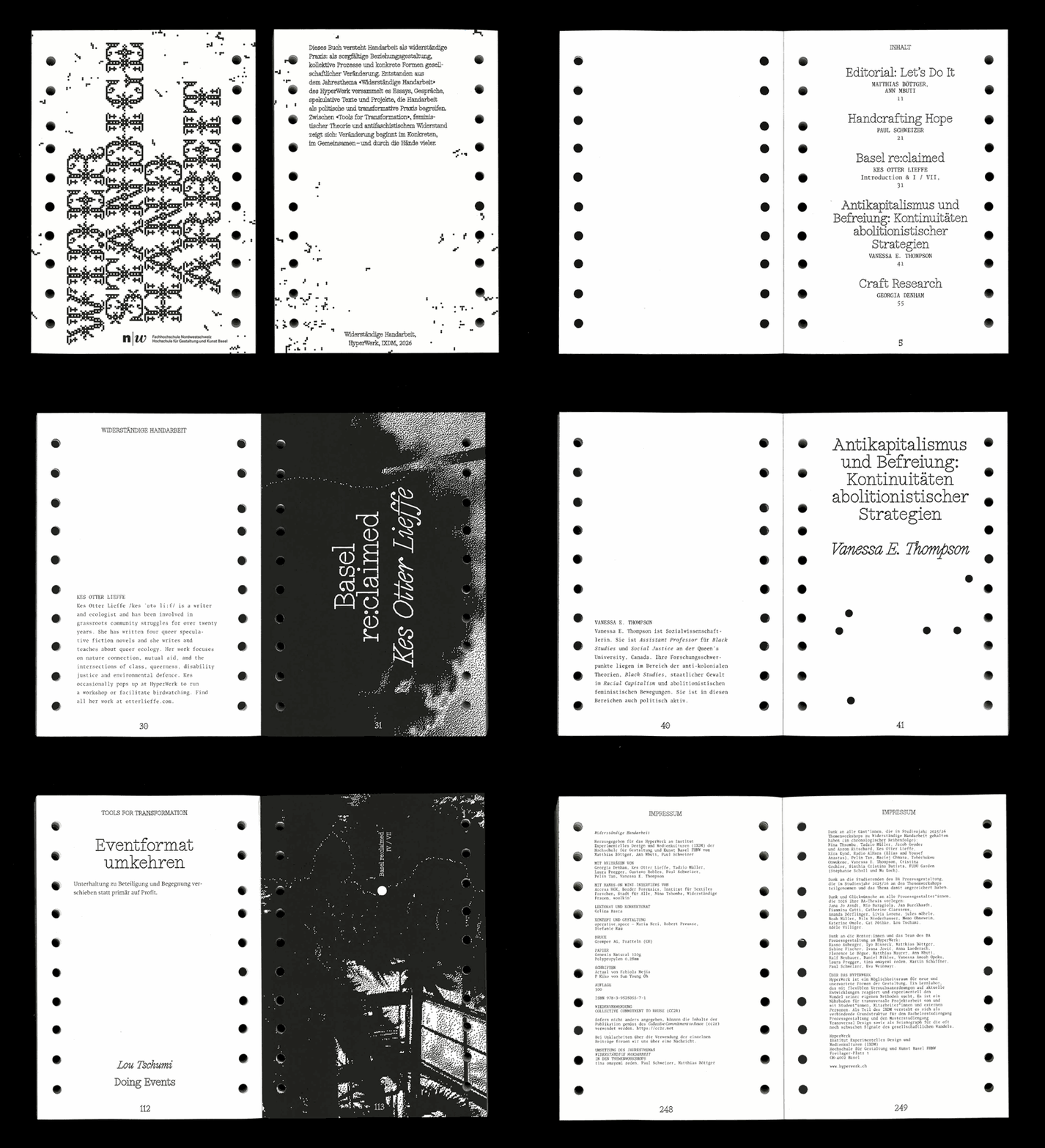
By engaging with the course content, process designers learn to reflect critically and question norms. Sensitive to diversity, they acquire knowledge that illustrates the diversity of different perspectives and that they learn to classify and contextualise. In doing so, they take into account the political dimensions of their work and practise scientific work.

Career prospects

The prospects for graduates are as diverse as the individual learning paths of the students. After graduating, process designers marshal their interactive, collective and process-oriented skills to drive forward social transformation. They are able to leverage their skills in a project management, networking and interdisciplinary manner.

HyperWerk graduates work in projects, agencies and institutions in the fields of sustainability, digitisation, anti-discrimination, design, cultural management, education, management consulting, urban development and event organisation or in the field of their chosen focus.

  • Bildauswahl_Karussel_BA1.jpg
  • Bildauswahl_Karussel_BA4.jpg
  • Bildauswahl_Karussel_BA5.jpg

Structure and programme contents

The study programme

During the programme, the process designers learn how to explore social, political, economic and environmental interrelationships. In doing so, they develop their own process design practice and bring together their different interests and abilities in collaborative projects. Design is seen as a holistic process that brings together these different aspects.

The Process Design programme at HyperWerk is integrated into the Institute of Experimental Design and Media Cultures (IXDM). HyperWerk is an experimental lab for new and unexpected forms of design. It provides a breeding ground for transdisciplinary project work by and with students, staff and external persons and opens up constantly changing realms of possibility.

Study structure

The academic year is divided into modules derived from the process design project cycle. As a result, students go through the various process phases over two semesters.

Workshops
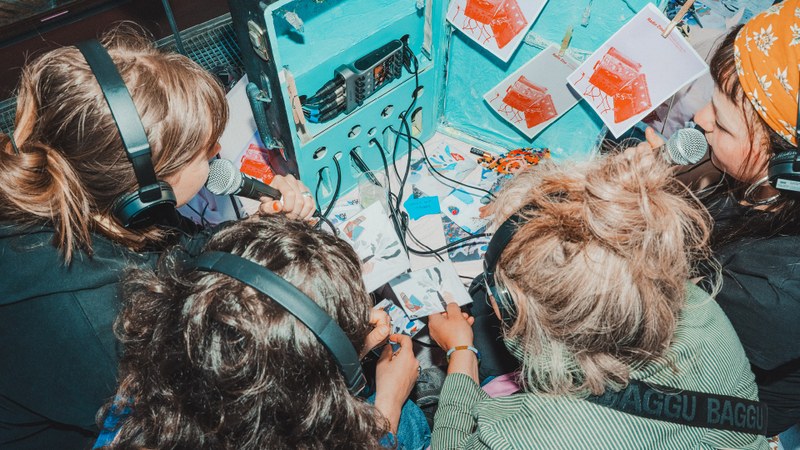
The programme offers numerous workshops on process design, which students of all years can take part in. In order to convey a wide range of up-to-date knowledge and techniques, specialists, experts, artists and designers from all genres are invited as workshop instructors and guest lecturers.

Projects
The practical application of learning content is central to the bachelor degree in Process Design. For this reason, the programme focuses on practical projects that enable students to apply theoretical knowledge independently. In addition to institutional projects, students are invited to develop their own and collective projects, for which they receive support from the idea through conception to production and beyond. Projects allow for concentrated work over an extended period of time and the exchange of knowledge between all at HyperWerk – students and staff. The vision of an individual learning process that promotes the interests and needs of the students can thus be realised.

Mentoring
Regular dialogue between mentor and student defines the central interface between the students and the lecturers. In this way, a culture of exchange, trust and commitment develops, which offers students a guided reflection and constructive and critical examination of their own areas of interest, course content and learning progress.

Self-organisation
Self-organisation plays an important role in the Process Design programme. Students are encouraged to take responsibility for their own learning process by independently planning their learning goals, compiling an appropriate programme from the workshop offer and implementing their projects. By encouraging this form of personal initiative, students develop important skills that will benefit them in their later day-to-day lives as process designers.

Target audience

Process designers want to initiate social change and develop different ways of living together. They reflect on and question social norms and take an inquisitive and open approach to the issues and content that our coexistence poses as challenges. Our students deal intensively with these questions and are convinced of the collaborative design potential in order to find answers to them that contribute to a fairer, more sustainable and more inclusive society. They adopt a long-term perspective and take part in projects they initiate themselves. In these, humans are important, but so are more-than-human actors such as fauna, flora, fungi and robots. Process design is transdisciplinary – students are interested in self-initiative and self-organised practice. Process designers are empowered to act in the present and learn to work towards liveable futures.

Infrastructure

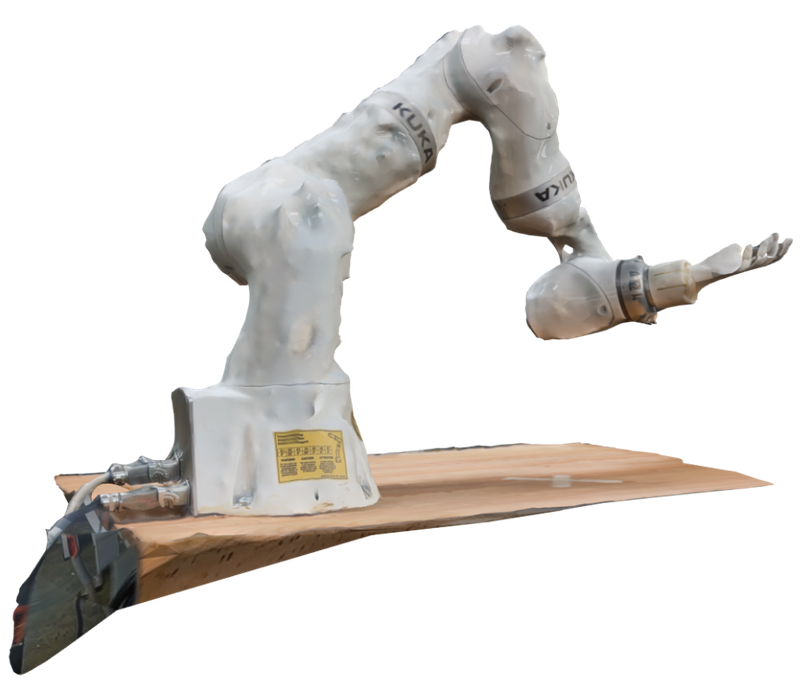
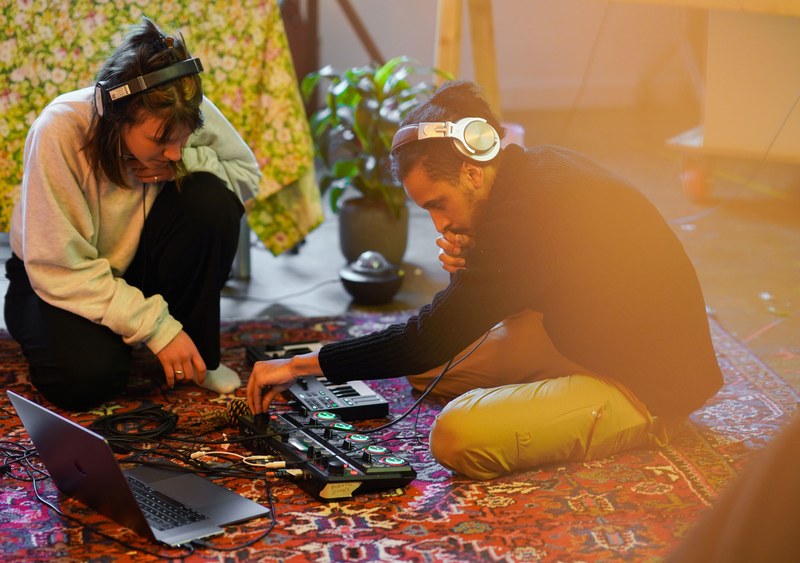
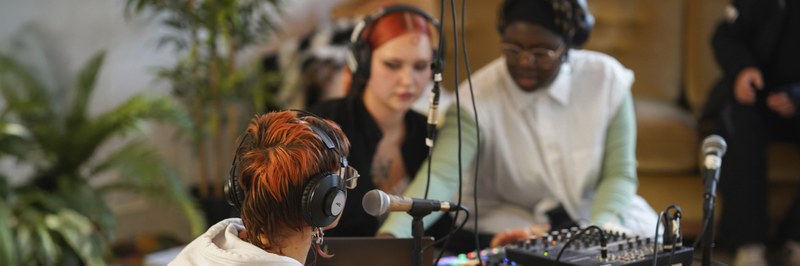
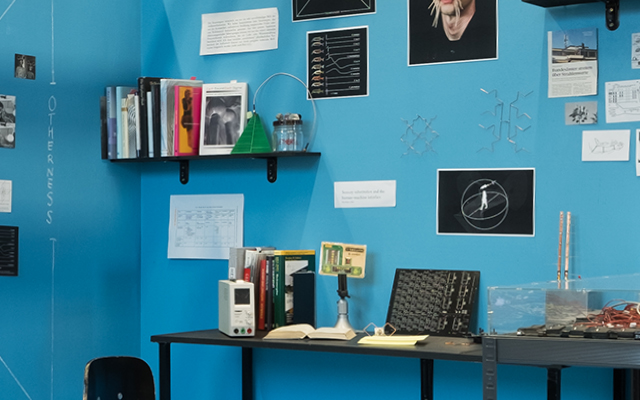
With its studios, labs and central Campus.Workshops, HGK Basel offers ideal conditions for combining curiosity in craftsmanship with the learning of techniques and digital skills. In addition, students have round-the-clock access to their own workspace in the spacious studios. HyperWerk also has its own workshop, an extensive technical warehouse and a self-managed workspace. In addition to hand-held wood and metalworking machines, also waiting to be discovered in the workshop are robots, 3D printers, a leather sewing machine and tufting machine – as well as all manner of odds and ends. Students wishing to immerse themselves in the world of film and sound for a project can use a recording studio and video editing stations. The warehouse with VR equipment, cameras and video cameras, projectors, computers, monitors, lighting and sound technology and a host of very special things provides access to rare as well as the latest devices.

  • Bildauswahl_Karussel_BA6.jpg
  • Bildauswahl_Karussel_BA7.jpg
  • Bildauswahl_Karussel_BA8.jpg

International

International Office

Exchange programmes offer students and staff the opportunity to network and develop both within Switzerland and internationally. The Basel Academy of Art and Design FHNW maintains partnerships and accredited agreements with universities and academies in Switzerland and abroad.


Programme Head & Lecturers

Loading
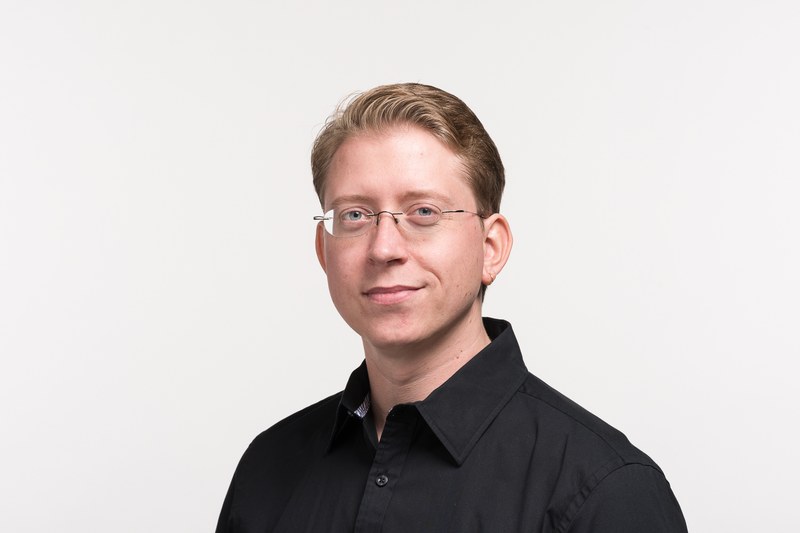
  • Rasso Auberger
    Rasso Auberger
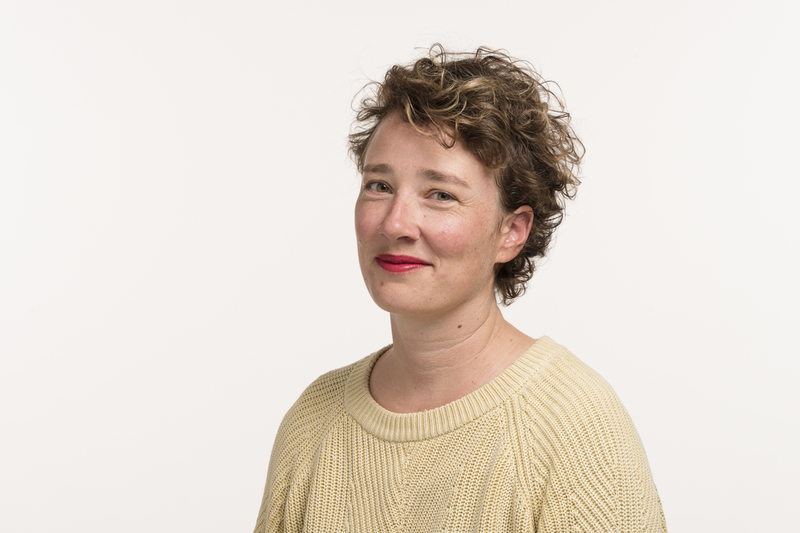
  • Iyo Bisseck
    Iyo Bisseck
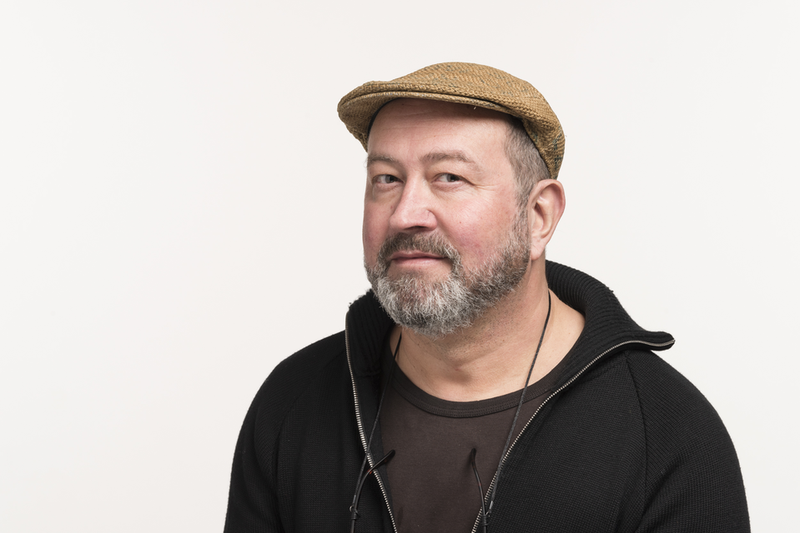
  • Sabine Fischer
    Prof. Dr. Sabine Fischer
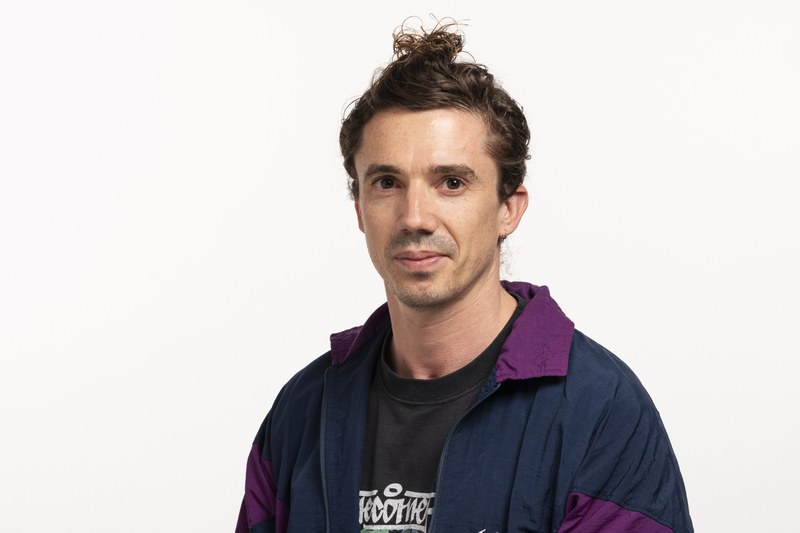
  • Ivana Jović
    Ivana Jović
  • Anna Laederach
    Anna Laederach
  • Ann Mbuti
    Prof. Ann Mbuti
  • Laura Pregger
    Laura Pregger
  • Tina Omayemi Reden
    Tina Omayemi Reden
  • Paul Schweizer
    Paul Schweizer
  • Jan Torpus
    Jan Torpus
  • Gillian Wylde
    Gillian Wylde
  • Bildauswahl_Karussel_BA9.jpg
  • Bildauswahl_Karussel_BA10.jpg

Requirements and admission

Admission requirements

Educational requirements
For admission to the aptitude assessment for the bachelor’s programmes in Design (Industrial Design, Interior Architecture and Scenography, Fashion Design, Process Design, Visual Communication and Digital Spaces), one of the following qualifications is generally required:

  • a certified vocational baccalaureate
  • a certified specialized baccalaureate
  • a certified upper secondary school (level II) baccalaureate
  • proof of an equivalent educational degree at an upper secondary school (level II) obtained otherwise (Swiss education system)

Language of tuition
The language of tuition is German (B2 or equivalent) and partly English. Proof of language proficiency is required at the start of the degree programme.

Workplace experience or preparatory course in Design
In addition, candidates need to provide proof of one year of workplace experience or completion of a two-semester preparatory course in Design.

approved professional fields (PDF in German)

Is a list of approved vocational trainings and professional fields, respectively.

Catching up on the vocational baccalaureate
Applicants who have not completed at least three years of upper secondary schooling (level II) are not legally entitled to admission to a Bachelor's degree programme. Information concerning full-time or part-time on-the-job training courses focusing on a vocational, design-based or specialized baccalaureate is provided by the local vocational colleges.

Admission on the basis of exceptional talent (1)
In exceptional cases, applicants can be admitted to the Bachelor’s degree programmes without being in possession of an upper secondary school (level II) certificate (Swiss education system), namely if they can provide proof of exceptional talent, either in a design-related or an arts-related field. 
Note: We recommend that you make enquiries by means of an email to the office of the respective degree programme at admission.BA-prozessgestaltung.hgk@fhnw.ch at least two weeks prior to the application deadline (15 February), or arrange an appointment with the Head of the degree programme.

____________
(1) If you are in possession of one of the following educational degrees, you are eligible for this mode of admission:
Federal Certificate of Vocational Proficiency EFZ (apprenticeship), Professional Certificate EBA, Specialized Secondary School (FMS), Compulsory Schooling, no educational qualification

Information of the aptitude assessment + dates + study regulations

To apply for a place at the HGK Basel, the required documents must be submitted by deadline 15.02.2026.

Please send the specific enquiries to email address.

Info aptitude assessment 2026 (german)

FAQ online registration
Loading

Advising and information events

Contact
Matthias Böttger

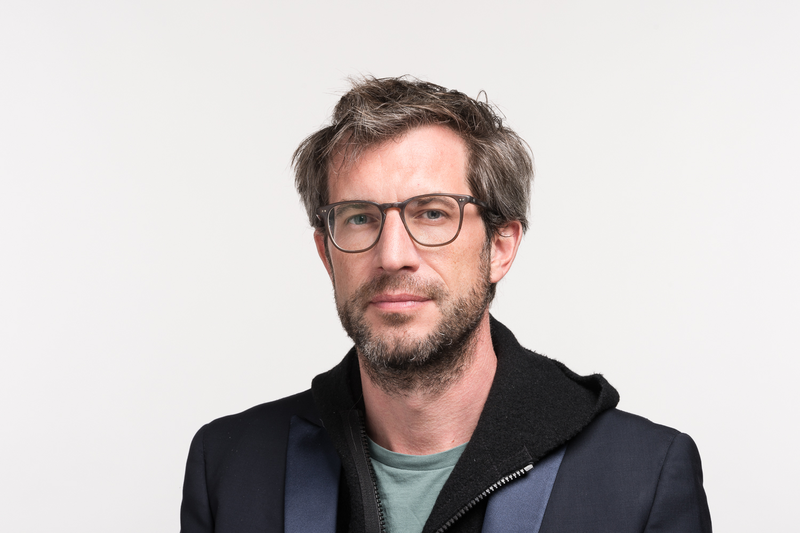
Prof. Matthias Böttger

Head of IXDM, Head of BA Prozessgestaltung, Professor
Phone
+41 61 228 40 33
E-Mail
matthias.boettger@fhnw.ch
Team Institut Experimentelles Design und Medienkulturen (IXDM)

Team Institut Experimentelles Design und Medienkulturen (IXDM)

Phone
+41 61 228 40 66 (Central office)
E-Mail
info.ixdm.hgk@fhnw.ch

Information events

Loading...


Registration

Process Design at HyperWerk
September 2026

Date
14.9.2026
Duration
6 Semester
Place
Campus HGK Basel
Application start
1.11.2025
Final application date
1.3.2026
Notes
The application deadline for starting studies in the autumn semester 2026/27 has passed. To check whether an application already started on ONLA can still be completed, or whether a late application might still be possible in exceptional cases, please contact admission.BA-prozessgestaltung.hgk@fhnw.ch

Process Design at HyperWerk
September 2027

Date
20.9.2027
Duration
6 Semester
Place
Campus HGK Basel
Application start
1.11.2026
Final application date
15.2.2027

Institute Experimental Design and Media Cultures (IXDM)

FHNW University of Applied Sciences and Arts Northwestern Switzerland
Basel Academy of Art and Design
Institute Experimental Design and Media Cultures (IXDM), Highrise: D. 3.01

Freilager-Platz 1
CH - 4142 Münchenstein near Basel

+41 61 228 40 22info.ixdm.hgk@fhnw.chRoute planner

Campus HGK Basel

FHNW University of Applied Sciences and Arts Northwestern Switzerland
Basel Academy of Art and Design

Freilager-Platz 1
4142 Münchenstein near Basel

+41 61 228 44 44info.hgk@fhnw.chRoute plannerMore information

Basel Academy of Art and Design FHNW University of Applied Sciences and Arts Northwestern Switzerland

  • About the School
    • HGK Basel
    • Degree Programmes
    • Continuing Education
    • Research
    • News & Stories
    • Events
    • NEXT Generation Degree Projects
  • Social Media
    • Instagram
    • LinkedIn
  • About FHNW
    • Organisation
    • Schools
    • Locations
    • FHNW Library
    • Media Relations
  • Support
    • IT Support
    • Inside FHNW
    • Webmail
Logo FHNW - 20 Years
Logo Swiss Universities
Logo European University Association
© University of Applied Sciences and Arts Northwestern Switzerland (FHNW)
  • Data Protection
  • Imprint
  • Accessibility
  • DE
  • EN