Skip to main contentSkip to search barSkip to navigationSkip to footer
Logo of the University of Applied Sciences and Arts Northwestern Switzerland
  • DE
  • EN
  • Home
  • Degree programmes
  • Continuing education

Ten Schools One Goal

The FHNW comprises 10 schools with different specializations. Select a school to see its specific courses, study programmes and information.

Applied Psychology

Architecture, Construction and Geomatics

Art and Design

Business

Computer Science

Engineering and Environment

Life Sciences

Music

School of Education

Social Work

  • Research

    • Research fields
    • Projects
  • International

    • Outgoing Students
    • Incoming Students
  • Updates and insights

    • News and stories
  • Events

  • Media corner

  • About the School of Engineering and Environment

    • People directory
    • Management Board
  • Institutes

    • Institute of Automation
    • Institute of Bioenergy and Resource Efficiency
    • Institute of Business Engineering
    • Institute of Electric Power Systems
    • Institute of Technology and Society
    • Institute of Polymer Engineering
    • Institute of Applied Mathematics and Physics
    • Institute of Polymer Nanotechnology
    • Institute of Optometry
    • Institute of Product and Production Engineering
    • Institute for Sensors and Electronics
    • Institute of Thermal and Fluid Engineering
    • Laboratories of the School of Engineering and Environment
Logo of the University of Applied Sciences and Arts Northwestern Switzerland
  • About the School
    • FHNW School of Engineering and Environment
    • Degree Programmes
    • Continuing Education
    • Collaboration in Research and Services
  • Social Media
    • LinkedIn
    • Instagram
    • Facebook
    • TikTok
    • YouTube
  • About FHNW
    • Organisation
    • Schools
    • Locations
    • FHNW Library
    • Media Relations
  • Support
    • IT Support
    • Inside FHNW
    • Webmail
  • Data Protection
  • Imprint
  • Accessibility
  • Research

    • Research fields
    • Projects
  • International

    • Outgoing Students
    • Incoming Students
  • Updates and insights

    • News and stories
  • Events

  • Media corner

  • About the School of Engineering and Environment

    • People directory
    • Management Board
  • Institutes

    • Institute of Automation
    • Institute of Bioenergy and Resource Efficiency
    • Institute of Business Engineering
    • Institute of Electric Power Systems
    • Institute of Technology and Society
    • Institute of Polymer Engineering
    • Institute of Applied Mathematics and Physics
    • Institute of Polymer Nanotechnology
    • Institute of Optometry
    • Institute of Product and Production Engineering
    • Institute for Sensors and Electronics
    • Institute of Thermal and Fluid Engineering
    • Laboratories of the School of Engineering and Environment

Type a search term and search continuing education,degree programmes, events, documents and other content.

Institute for Sensors and Electronics, FHNW School of Engineering and Environment

School of Engineering and Environment


  • Engineering and Environment
  • About us
  • Institutes
Institutes
topbild_ise_v1.jpg
  • Research focus areas
  • Selected Projects
  • Laboratories
  • Infrastructure, Tools and Technologies
  • Network and Partners
  • Publications
  • About us
  • Contact

We are the competence centre for sensor technology, with a special focus on aerosol measurement, microelectronics, signal processing and communication technology.

Our competencies are used in many application areas: from environmental measurement technology to industrial electronics and avionics.

We support industrial partners with the execution of research, development and consulting projects up to series production according to industrial standards. We take care of entire projects from system analysis and feasibility studies to specification, modelling, development, verification and implementation. In consultation with our industrial partners, we publish results in national and international journals.

We advise industrial customers, model and verify complex circuits and carry out feasibility studies and concept assessments. We educate engineers in specialised courses and with Master of Advanced Studies (MAS).

Research focus areas

Selected Projects

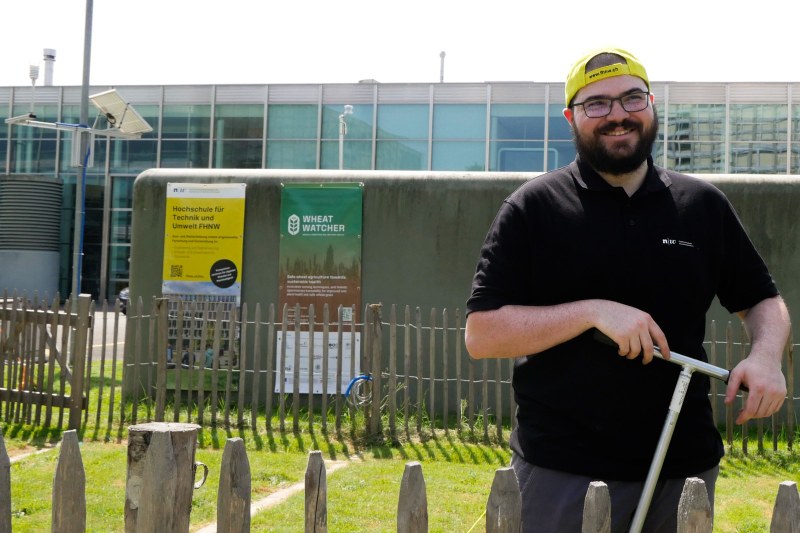
Safe Wheat Agriculture Towards Sustainable Health – WHEATWATCHER

With precise sensor technology for healthy soil and safe wheat: In the EU project WHEATWATCHER, the FHNW is developing a smart monitoring system for sustainable agriculture. The goal is to intelligently combine environmental protection, resource efficiency, and food security.
Institute
Institute for Sensors and Electronics
Research field
Electrical engineering

Standardisation of Black Carbon Aerosol Metrics for Air Quality and Climate Modelling

Cleaner Air Through Better Measurement
Institute
Institute for Sensors and Electronics
Research field
Energy and environment, Electrical engineering

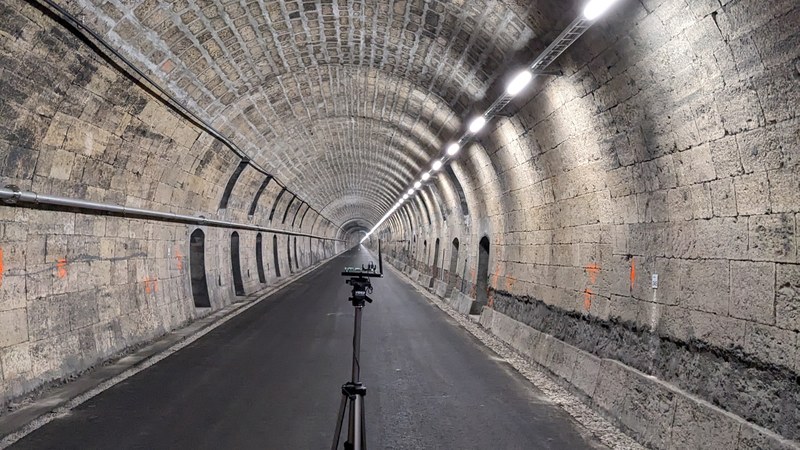
Dynamic and Static Track Monitoring Using an Innovative Sensor System

A newly developed, high-precision sensor system enables the dynamic measurement of track subsidence during train passage. The project makes a significant contribution to increasing railway safety and to the early detection of changes in the ground structure.
Institute
Institute for Sensors and Electronics
Research field
Electrical engineering

Development of a Monitoring System for Concrete Structures

With a newly developed, energy-efficient data logger, the FHNW – together with DuraMon AG – enables the continuous monitoring of corrosion in reinforced concrete structures. This innovative solution provides precise real-time data, helping to detect damage early and significantly reduce maintenance costs.
Institute
Institute for Sensors and Electronics
Research field
Electrical engineering

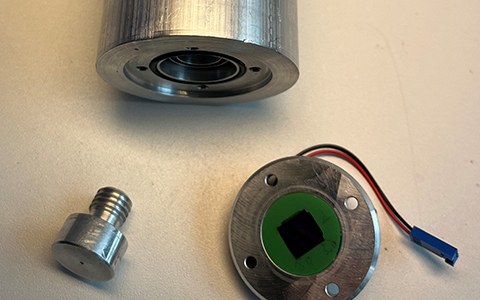
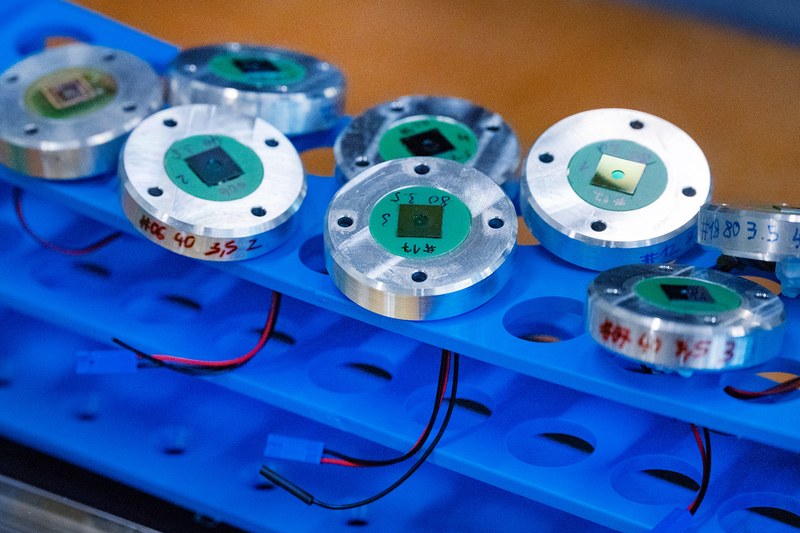
DustEar: Detection of single, micrometer sized aerosol particles by acoustic impaction

The FHNW Institute for Sensors and Electronics has developed a new measurement technology that detects aerosol particles by their impaction on a piezo transducer and allows therefore single particle mass characterization.
Institute
Institute for Sensors and Electronics
Research field
Electrical engineering, Energy and environment
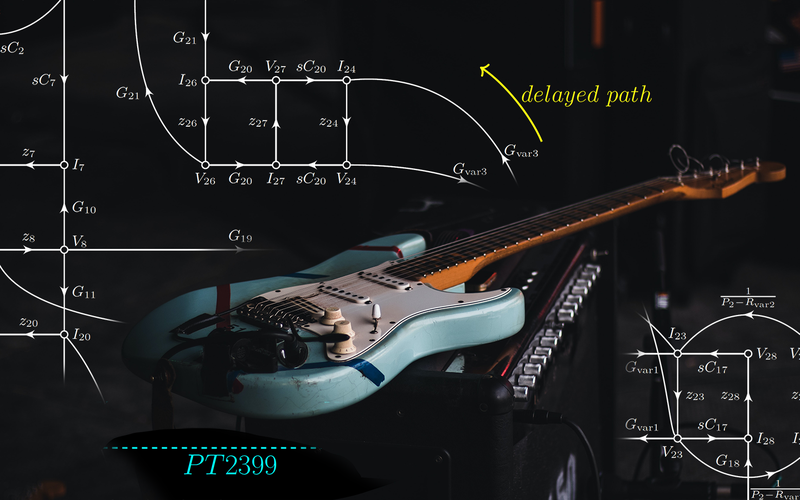
Authenticity in Music

Together with the research centre of the Academy of Music, the Institute for Sensors and Electronics is developing a method to simulate electronic equipment such as guitar amplifiers or effect devices in a purely digital environment.
Institute
Basel Academy of Music, Institute for Sensors and Electronics
Research field
Electrical engineering

Periodic technical inspection for diesel soot emissions

In order to check the exhaust gases of road vehicles regularly, researchers from the FHNW have developed a portable measuring device.
Institute
Institute for Sensors and Electronics
Research field
Electrical engineering, Energy and environment

Masks on the experimental test rig: How well do they protect against fine aerosol particles?

The Particle Measurement Technology Group of the Institute of Sensor and Electronics FHNW has developed a test rig to assess the filtering efficiency of various materials used in disposable and reusable masks.
Institute
Institute for Sensors and Electronics
Research field
Electrical engineering

Laboratories

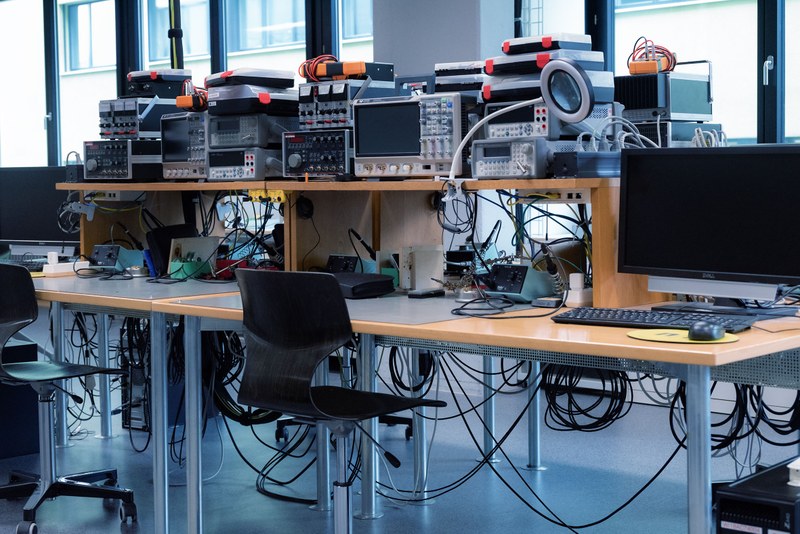
Electronics Teaching Lab
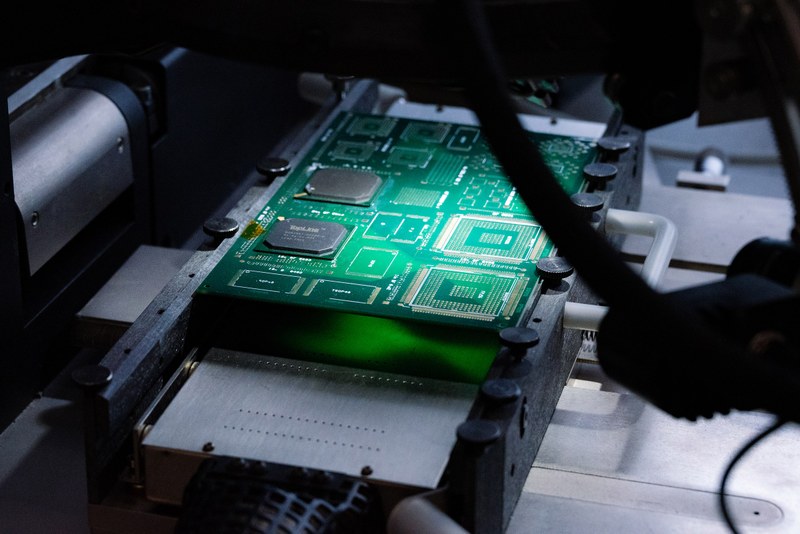
The Teaching Lab has twelve electronics lab stations and computers with dual-boot Windows/Linux. This makes it possible to immerse yourself in both hardware and software. This lab is used by our Bachelor's degree courses, our continuing education courses and for specific workshops (e.g. Young Talent Promotion Programme).

Electronics Lab

We offer you an extensive and well-equipped electronics laboratory for a wide range of electronic activities, e.g. for creating circuits or recording measured variables.

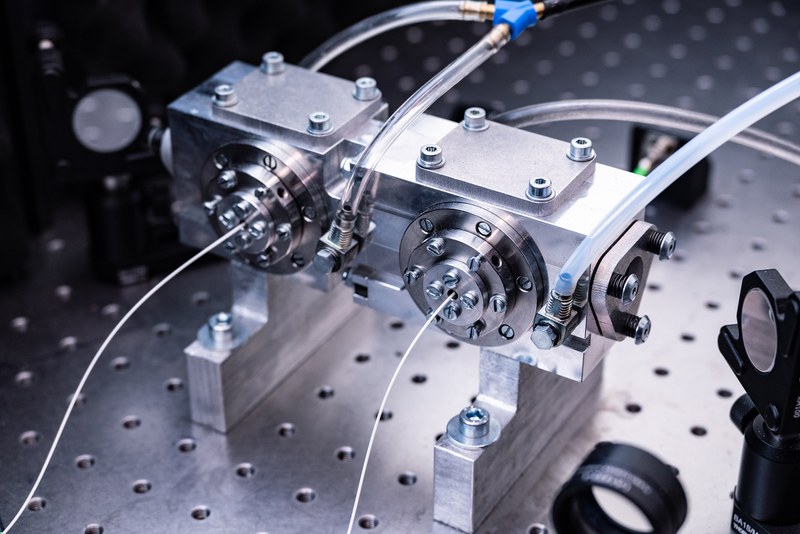
Photonics Laboratory

In the Photonics Laboratory, we develop and validate sensors based on free beam and fiber optics with ultraviolet to infrared light.

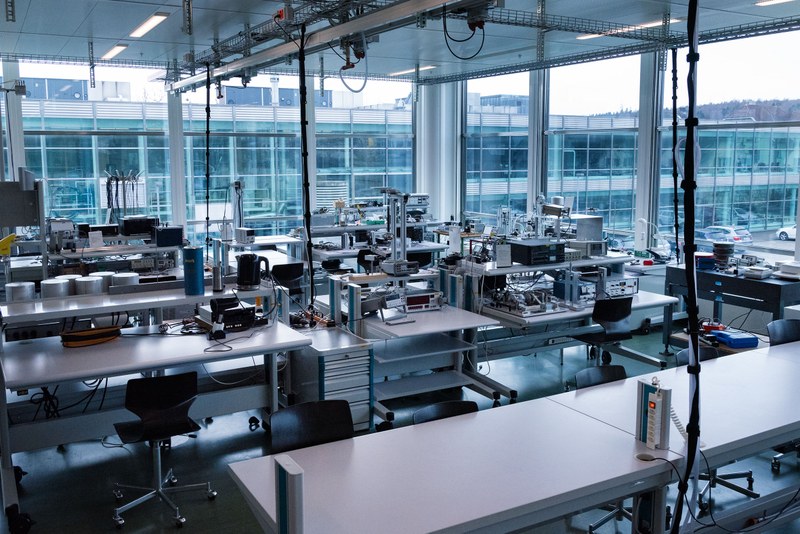
Sensors Teaching Lab

This laboratory is used in particular for teaching measurement and sensor technology, which is characterized by the fact that many different sensors can be tested “hands-on”.

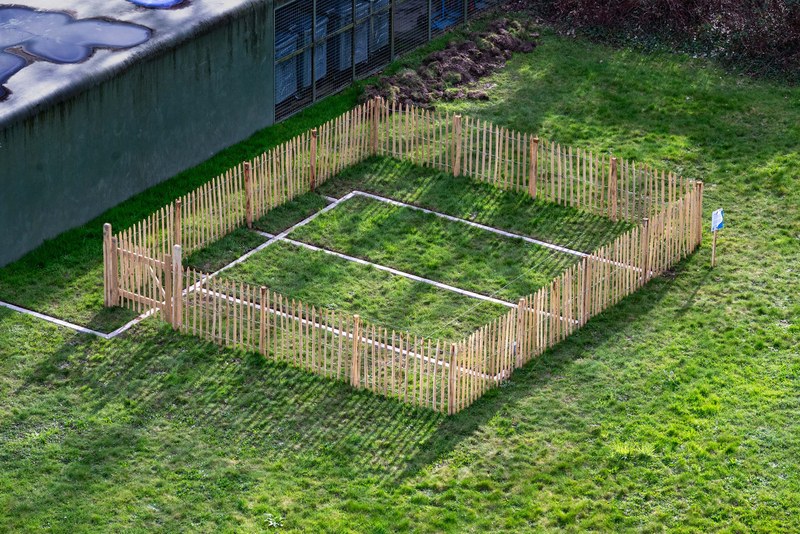
Innovation Garden

The FHNW Innovation Garden is an outdoor laboratory covering an area of 35 square meters. It makes it possible to develop sensors and electronics for the assessment of soil, plants and air and to test them in a real environment.

Aerosol Technology Laboratory

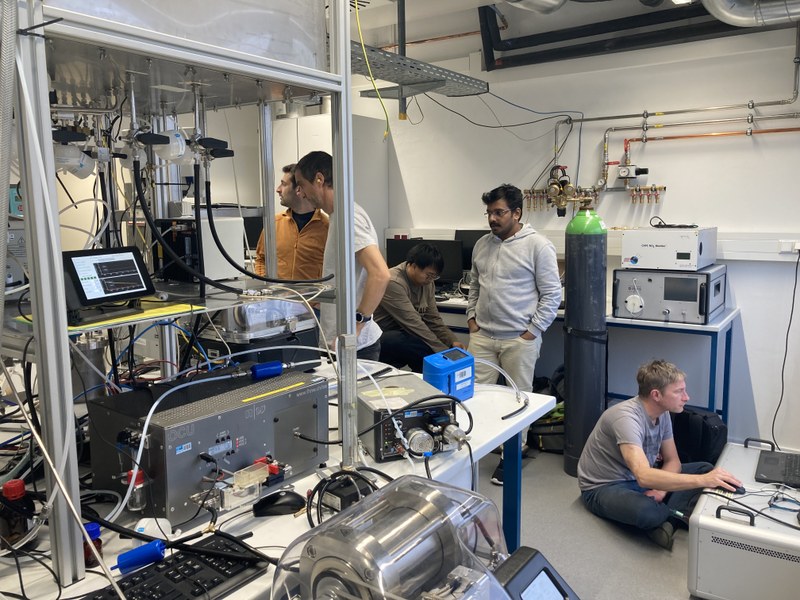
In the Aerosol Laboratory, we enable the measurement and production of fine dust from the nanometer to micrometer range using commercial and self-developed devices.

Infrastructure, Tools and Technologies

Industrial software tools used

We have the necessary tool licenses for training purposes, for research and for industrial use:

  • Cadence Design Systems
  • Mentor Graphics
  • Altera and Xilinx
  • matlab
  • microwave office

Technologies used

In aerosol measurement technology, we currently focus on electrical and optical measurement methods for the detection of minute particles.

In microelectronics, we have gained experience with various ASIC technologies. Depending on the application and needs of the partners, we use these in a targeted manner or also work our way into new technologies:

  • FPGA: Altera, Xilinx
  • ASICs: XFab, espros, AMS, TowerJazz
  • Microcontrollers: NXP, STM; Arduino, RaspberryPi, BeagleBone

Network and Partners

Some of our partner relationships and networks are listed below.

Commercial
Associations and federations
Authorities
Development of young talent

Publications

The Institutional Repository FHNW (IRF) contains all publications of the institute members.
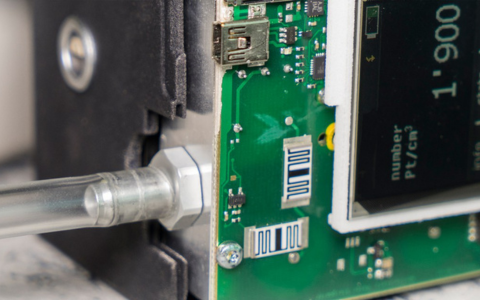
Publications

The staff of the Institute for Sensors and Electronics publishes regularly in peer reviewed journals.

About us

Team members of the institute

Our interdisciplinary team consists of specialists in electrical engineering and physics, often with extensive industry experience. We are active in research, work closely with industrial partners and exchange information with national and international universities.
Team members of the institute

Contact

Gerd Simons

Prof. Dr. Gerd Simons

Head of FHNW Institute for Sensors and Electronics
Phone
+41 56 202 75 68 (Direct)
E-Mail
gerd.simons@fhnw.ch

School of
Engineering and Environment FHNW University of Applied Sciences and Arts Northwestern Switzerland

  • About the School
    • FHNW School of Engineering and Environment
    • Degree Programmes
    • Continuing Education
    • Collaboration in Research and Services
  • Social Media
    • LinkedIn
    • Instagram
    • Facebook
    • TikTok
    • YouTube
  • About FHNW
    • Organisation
    • Schools
    • Locations
    • FHNW Library
    • Media Relations
  • Support
    • IT Support
    • Inside FHNW
    • Webmail
Logo FHNW - 20 Years
Logo Swiss Universities
Logo European University Association
© University of Applied Sciences and Arts Northwestern Switzerland (FHNW)
  • Data Protection
  • Imprint
  • Accessibility
  • EN
  • DE