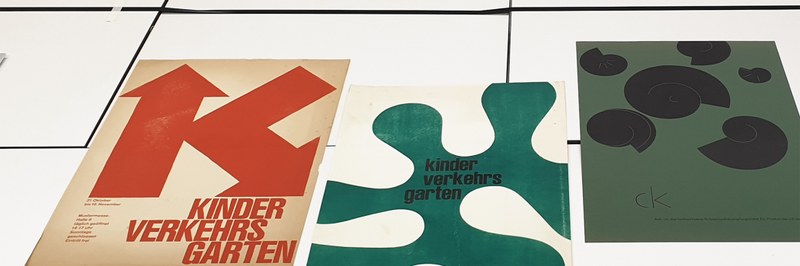
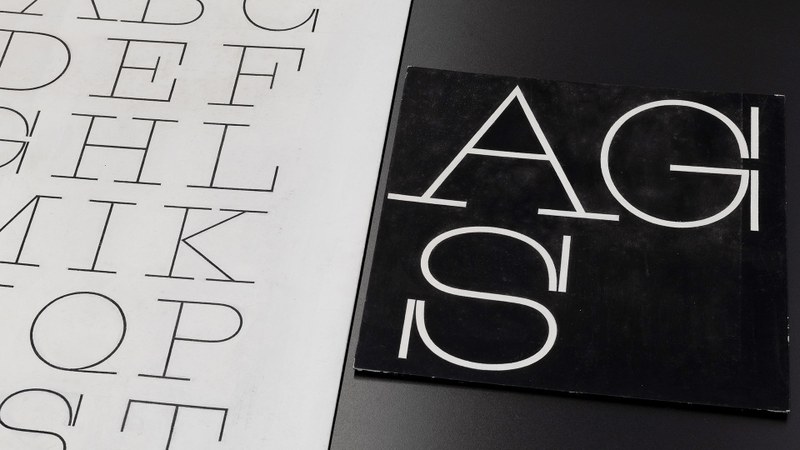
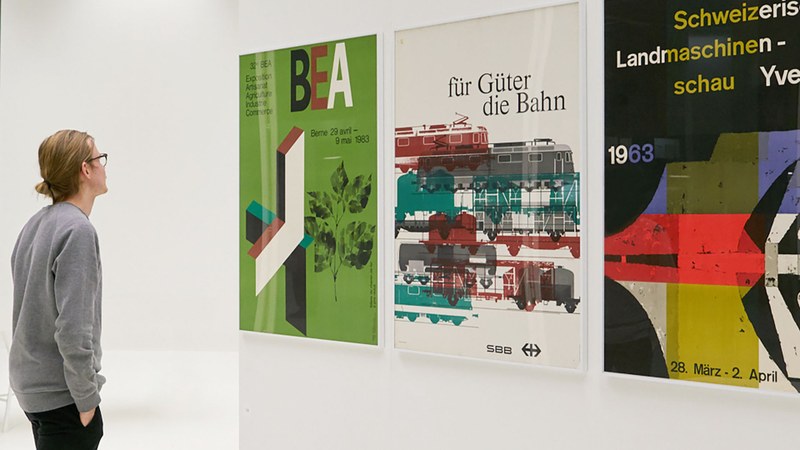
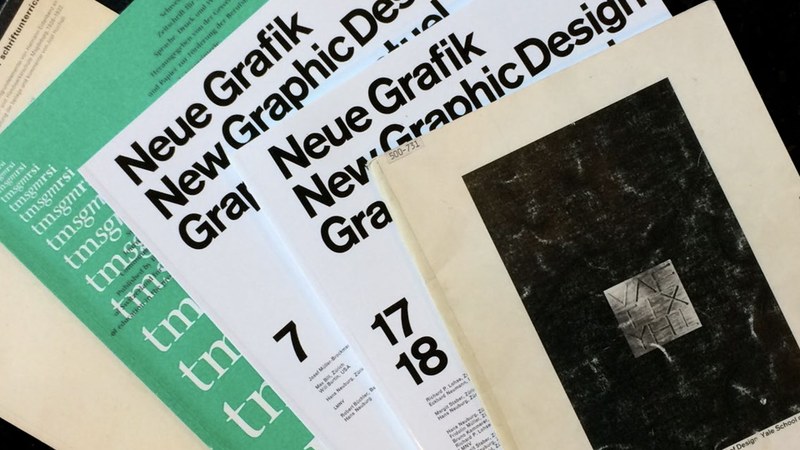
What lies behind the global reputation of Swiss Style? This module critically examines the visual language, ideology, and legacy of Swiss graphic design. You explore how modernist ideals were constructed, disseminated, and mythologized — and what they mean for design practice today.
Factsheet
- Learning mode
- Onsite
- ECTS credits
- 2
- Next start
- On request
- Duration
- 1 Week
- Teaching language
- English
- Place
- Basel, Campus Dreispitz
- Fee
- CHF 900
At a glance
- Critically understand Swiss style: Analyze the visual language, ideology, and historical background of Swiss graphic design and examine its global reputation.
- Recognize its relevance to the present: Learn how modernist design principles originated and what significance they hold for contemporary design practice and visual communication.
Structure and programme contents
Programme
Further Education Options
General Information Workshops Institute Digital Communication Environments (IDCE)
Lecturers

Sandra Bischler-Hartmann is a design historian, holding a BA in Visual Communication and an MA in Art and Design Science. Since 2016, she has been part of the scientific staff at the Institute Digital Communication Environments at Basel Academy of Art and Design. Her research focuses on the history of graphic design and typography. As a doctoral student, she contributed to the SNSF Sinergia research project “Swiss Graphic Design and Typography Revisited” (2016–2020). In her PhD dissertation, she analyzes graphic design education in Switzerland during the mid-twentieth century, examining educational principles and design philosophies with regard to their integration and migration across national borders. She works as an exhibition curator and a lecturer on design history at universities in Switzerland and Germany.
Requirements and admission
The continuing education programs are primarily aimed at individuals with an academic degree from a recognized university and relevant professional experience after graduation.Individuals with equivalent qualifications will be admitted if their eligibility for participation is demonstrated by other evidence.
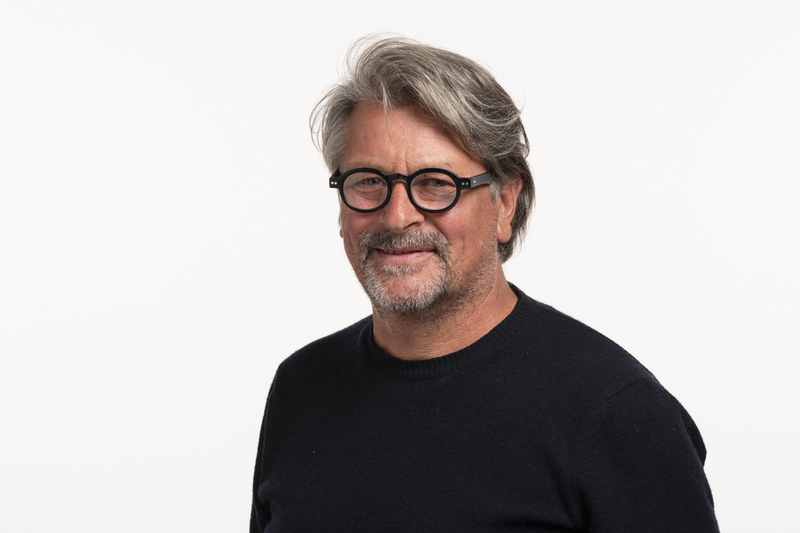
For further questions, please contact the Continuing Education Department, Ralf Michel
Organisational matters
Fees
Information and regulations
Advising and information events
Contact
Information events
Loading...