Skip to main contentSkip to search barSkip to navigationSkip to footer
Logo of the University of Applied Sciences and Arts Northwestern Switzerland
  • DE
  • EN
  • Home

Ten Schools One Goal

The FHNW comprises 10 schools with different specializations. Select a school to see its specific courses, study programmes and information.

Applied Psychology

Architecture, Construction and Geomatics

Art and Design

Music

Computer Science

Life Sciences

School of Education

Social Work

Engineering and Environment

Business

  • Study offerings

    • All degree programmes
    • Bachelor of Arts
    • Master of Arts
    • CoCreate programme
    • PHD programmes
    • MDes programme
    • Integral HGK Basel
    • Guest Auditors
    • Info events
  • All about studying

    • Enrolment at the HGK Basel
    • Fees and scholarships
    • Degree programme administrations
    • Semester dates
    • Tools for studying
    • Counselling services
    • German language courses
    • Insurance and pensions
    • Civilian and military service
    • Legal and formal matters
    • Course catalogue
  • Study Internationally

    • International students
    • Incoming students
    • Outgoing students
    • Internship
    • Partner universities
    • German language courses
  • Continuing education offerings

    • All continuing education programmes
    • MAS - Master of Advanced Studies
    • CAS - Certificate of Advanced Studies
    • Modules
    • Info events
  • All about continuing education

  • International Office

    • Mobility for academics and staff
    • Study Internationally
  • Research

    • Research fields
    • Projects
    • PhD Projects
  • Collaboration

    • Services
  • Updates and insights

    • News and stories
    • Applause
    • Publications
    • Newsletter (DE)
  • Events

    • All events
    • Info events
  • Media

  • About the Basel Academy of Art and Design

    • Management and organisation
    • People directory
  • Institutes

    • Institute Art Gender Nature
    • Institute Arts and Design Education
    • Institute Contemporary Design Practices
    • Institute Digital Communication Environments
    • Institute Experimental Design an Media Cultures
  • Campus and Infrastructure

    • CIVIC
    • Media Library Basel
    • der TANK
    • FoodCultureLab
    • Café Freilager and Bistro of the Arts
    • Sport
    • Studi-Lounge
    • Accessibility & Facilities
  • Campus.Workshops

    • Sculptor’s studio
    • Bookbinding
    • Digital Fabrication Lab
    • Woodworking
    • Plastics
    • Paint shop
    • Media.Workshop
    • Metalworking
    • Sewing.Island
    • Screen printing
Logo of the University of Applied Sciences and Arts Northwestern Switzerland
  • About the School
    • HGK Basel
    • Degree Programmes
    • Continuing Education
    • Research
    • News & Stories
    • Events
    • NEXT Generation Degree Projects
  • Social Media
    • Instagram
    • LinkedIn
  • About FHNW
    • Organisation
    • Schools
    • Locations
    • FHNW Library
    • Media Relations
  • Support
    • IT Support
    • Inside FHNW
    • Webmail
  • Data Protection
  • Imprint
  • Accessibility
  • Study offerings

    • All degree programmes
    • Bachelor of Arts
    • Master of Arts
    • CoCreate programme
    • PHD programmes
    • MDes programme
    • Integral HGK Basel
    • Guest Auditors
    • Info events
  • All about studying

    • Enrolment at the HGK Basel
    • Fees and scholarships
    • Degree programme administrations
    • Semester dates
    • Tools for studying
    • Counselling services
    • German language courses
    • Insurance and pensions
    • Civilian and military service
    • Legal and formal matters
    • Course catalogue
  • Study Internationally

    • International students
    • Incoming students
    • Outgoing students
    • Internship
    • Partner universities
    • German language courses
  • Continuing education offerings

    • All continuing education programmes
    • MAS - Master of Advanced Studies
    • CAS - Certificate of Advanced Studies
    • Modules
    • Info events
  • All about continuing education

  • International Office

    • Mobility for academics and staff
    • Study Internationally
  • Research

    • Research fields
    • Projects
    • PhD Projects
  • Collaboration

    • Services
  • Updates and insights

    • News and stories
    • Applause
    • Publications
    • Newsletter (DE)
  • Events

    • All events
    • Info events
  • Media

  • About the Basel Academy of Art and Design

    • Management and organisation
    • People directory
  • Institutes

    • Institute Art Gender Nature
    • Institute Arts and Design Education
    • Institute Contemporary Design Practices
    • Institute Digital Communication Environments
    • Institute Experimental Design an Media Cultures
  • Campus and Infrastructure

    • CIVIC
    • Media Library Basel
    • der TANK
    • FoodCultureLab
    • Café Freilager and Bistro of the Arts
    • Sport
    • Studi-Lounge
    • Accessibility & Facilities
  • Campus.Workshops

    • Sculptor’s studio
    • Bookbinding
    • Digital Fabrication Lab
    • Woodworking
    • Plastics
    • Paint shop
    • Media.Workshop
    • Metalworking
    • Sewing.Island
    • Screen printing

Type a search term and search continuing education,degree programmes, events, documents and other content.

Visual Communication and Digital Spaces BA, Basel Academy of Art and Design

Basel Academy of Art and Design


  • Art and Design
  • Degree programmes
  • Study offerings
  • All degree programmes
All degree programmes
header_BA_header.jpg

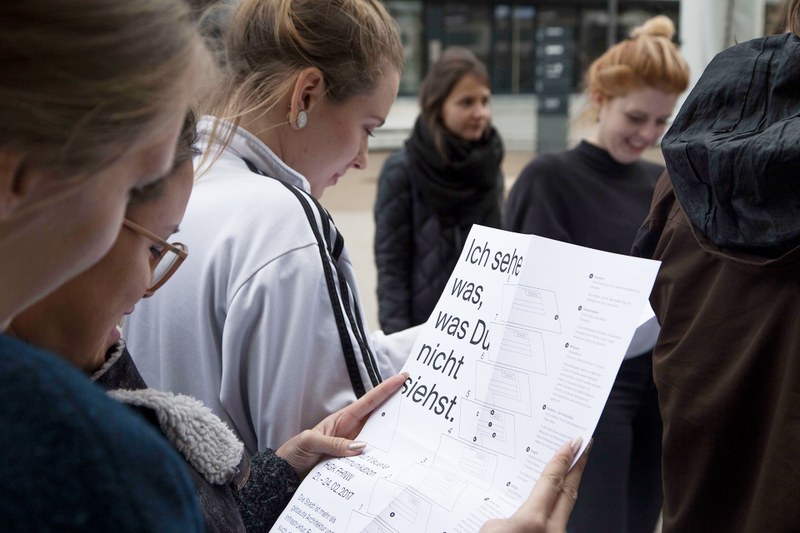
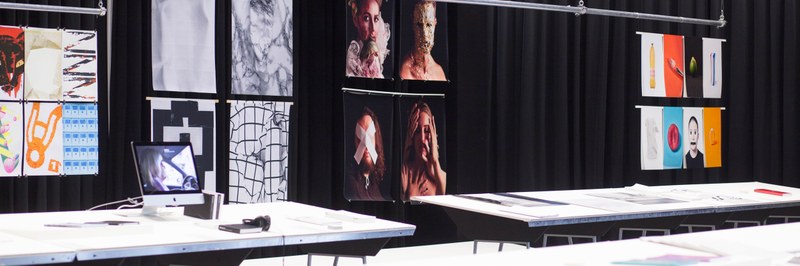
As digitisation progresses, visual communication is becoming increasingly important, and developing a critical approach to images is becoming increasingly important. The bachelor’s degree in Visual Communication and Digital Spaces focuses on the reflective development of visual messages for everyday and specialised communication contexts.


Factsheet

Degree
Bachelor of Arts in Visual Communication
Study mode
Full-time
Learning environment
Onsite
ECTS points
180
Next start
14.9.2026
Duration
6 Semester
Language
German – partly English (B2 or equivalent)
Place
Campus HGK Basel
Staying abroad
Possible
Application fee
CHF 200.- (incl. aptitude assessment and enrolment)
Semester fee
CHF 750 (CH); CHF 1.000 (EU); CHF 1.250 (Not-EU/EFTA)
Documents
  • Auszug Gebührenordnung FHNW
  • HGK-Studienjahresstruktur 2026-2027

At a glance

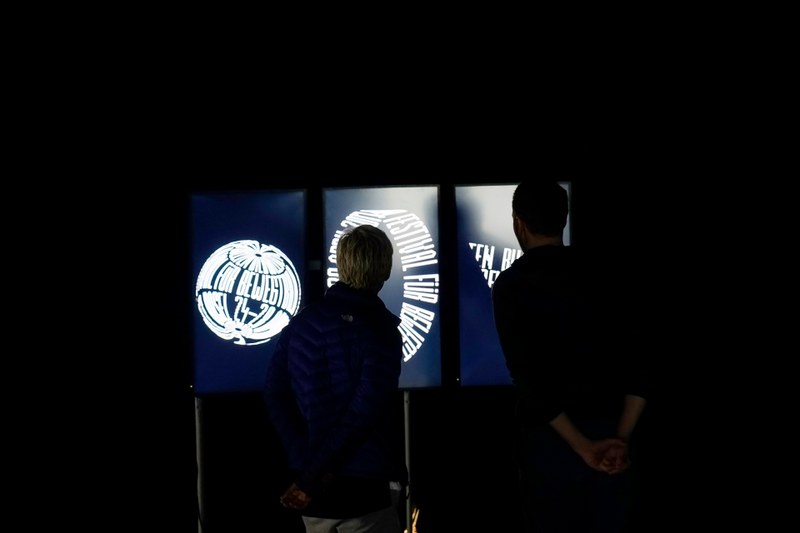
  • Students acquire the ability to design, evaluate and consciously apply visually perceptible messages.
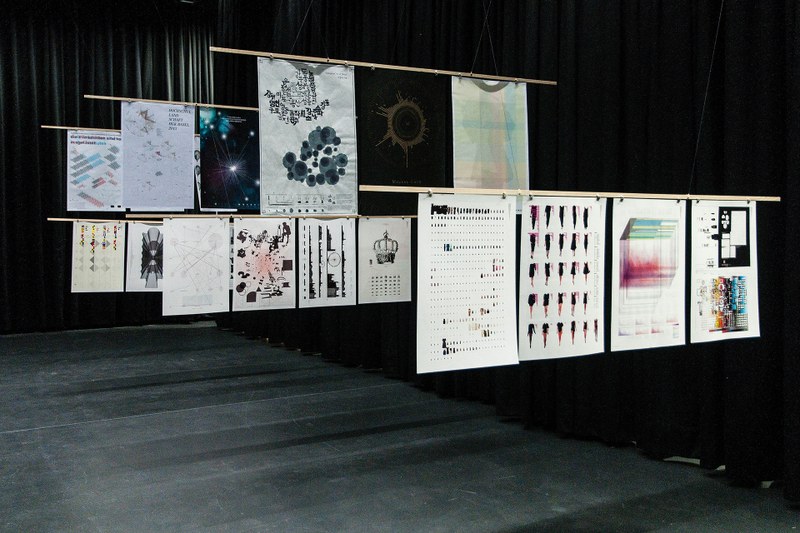
  • Craft, technical, artistic and analytical skills are taught.
  • Students can choose between two specialisations: “Visual Communication” and “Digital Spaces”.
  • ivk_ba_03.jpg
  • ivk_ba_01.jpg

Why study this?

Goals and benefits

Through the mix of theoretical knowledge and practical applications, bachelor’s students are able to design sophisticated visual messages and use them effectively in different analogue and digital communication fields. With a broad spectrum of teaching content and practice-oriented training, the study programme prepares students for a variety of professional opportunities. In addition, graduates are in a position to anticipate social changes and help solve these challenges with their creativity and skills. In this way they take active part in the social discourse on topics such as diversity or sustainability.

Career prospects

The Visual Communication and Digital Spaces bachelor’s programme prepares students specifically for the challenges of the steadily growing professional fields in which networked and analytical thinking, independent design, visual competence and technical and skilled know-how are needed. The goal of the study programme is to help you develop and advocate your own concise design position. Once you have graduated, you will be qualified to work as a designer of communicative messages. You can work in communication, media or corporate design agencies, publishing houses, the communication departments of companies and public institutions, in design offices or even in their own studio. This wide range of job opportunities enables you to use your creative skills in many ways and to move confidently in the professional world.

  • ivk_ba_02.jpg
  • ivk_ba_04.jpg
  • ivk_ba_07.jpg

Structure and programme contents

The study programme

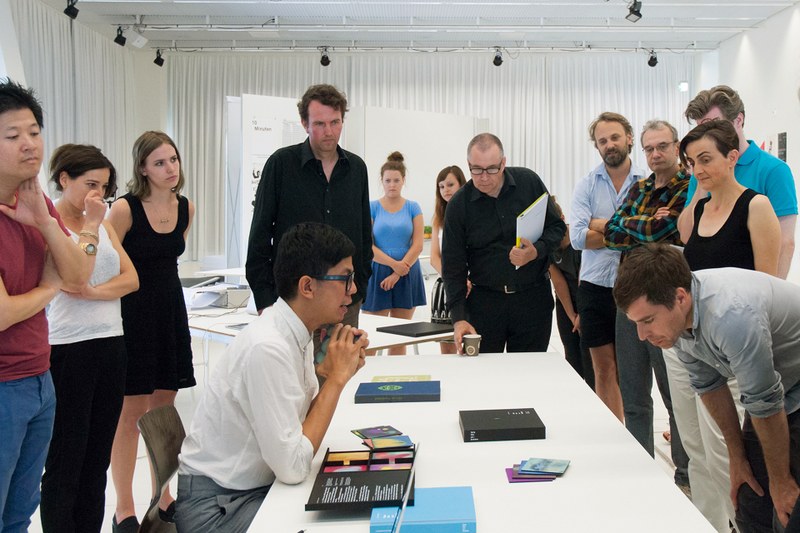
The aim of the programme Visual Communication and Digital Spaces is to equip students with the ability to conceptualise, explore, and apply visually powerful and conceptually compelling messages. Departing from conventional imagery plays a central role in the practice of visual communication. To meet this demand, students acquire technical, artistic, and analytical skills alongside traditional craft methods. Individual studio workspaces and well-equipped workshops provide them with the resources to pursue their projects in depth.

Study structure

When applying for the programme, students may choose between two specialisations: «Visual Communication» and «Digital Spaces». These distinct emphases enable them to follow their individual design interests and to deepen their expertise in a chosen field. After completing an intensive two-semester foundation phase, they gradually develop their own design stance in the main study phase through individual project work.

Specialization Visual Communication

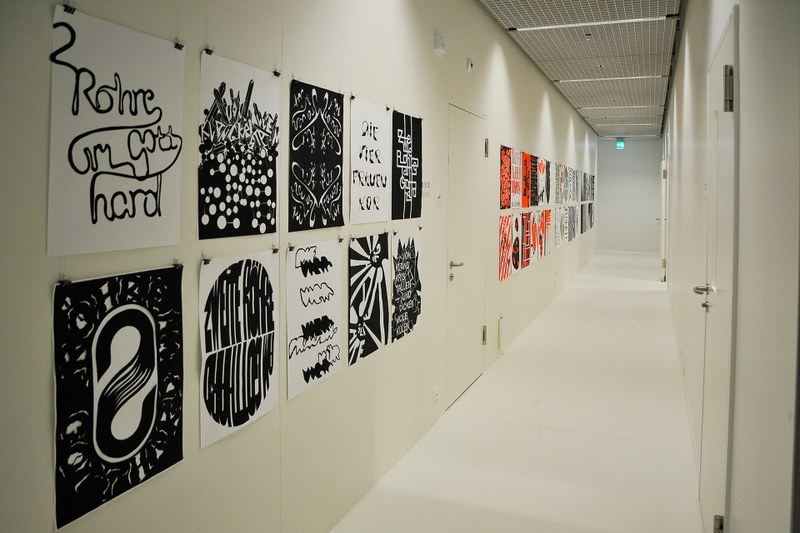
This specialisation is designed for students who wish to focus their design interests on approaches derived from analogue cultural techniques. Here they can further develop their creative potential by applying established design principles and methods. The emphasis lies on conceiving, designing, and analysing communication tools for both print- and screen-based media. Students work with classical approaches such as drawing, graphic formulation, photography, typographic composition and type design, as well as their digital equivalents in a wide range of creative software tools. Key areas of study include narration, corporate identity, book design, editorial design, information design, critical design, moving image, animation, and interface design. Alongside these, students reflect critically on established visual languages while at the same time experimenting with new and exploratory forms of visual expression.

Syllabus Specialization Visual Communication (PDF in german)

Specialization Digital Spaces

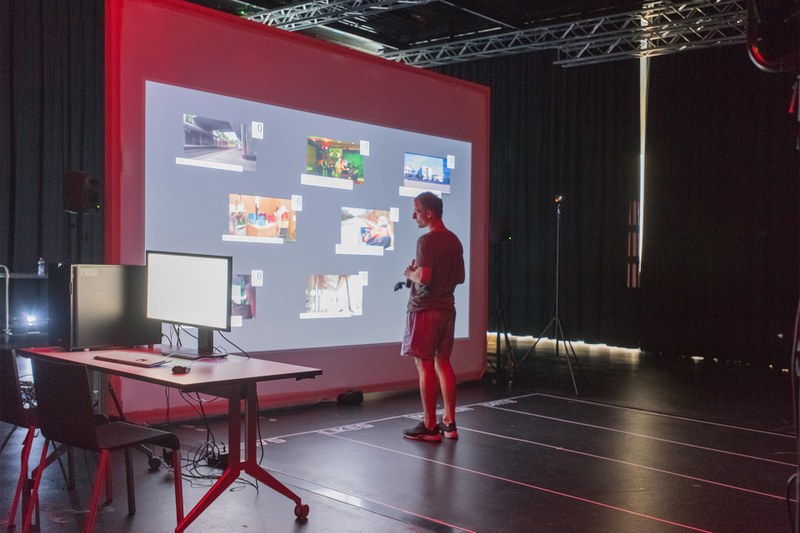
This specialisation focuses on the design of digital communication environments. Technological developments serve as sources of inspiration for exploring new creative possibilities, extending well beyond standard software tools. Innovations in human–computer interaction, digital animation, generative design, creative coding, augmented and virtual reality, among others, provide starting points for the conception and design of messages within digital communication environments. Areas of study include UX/UI, motion design, data visualisation, digital identity, critical media, spatial staging, generative tool making, physical computing, and game design. With this broad and in-depth knowledge, students are well equipped to engage with technological innovations and to apply them in exemplary ways within communication contexts.

Syllabus Specialization Digital Spaces (PDF in german)

Target audience

The Visual Communication and Digital Spaces bachelor’s programme is intended for students who demonstrate a strong talent in design. They can choose one of the two areas of specialisation depending on their preference.

Infrastructure

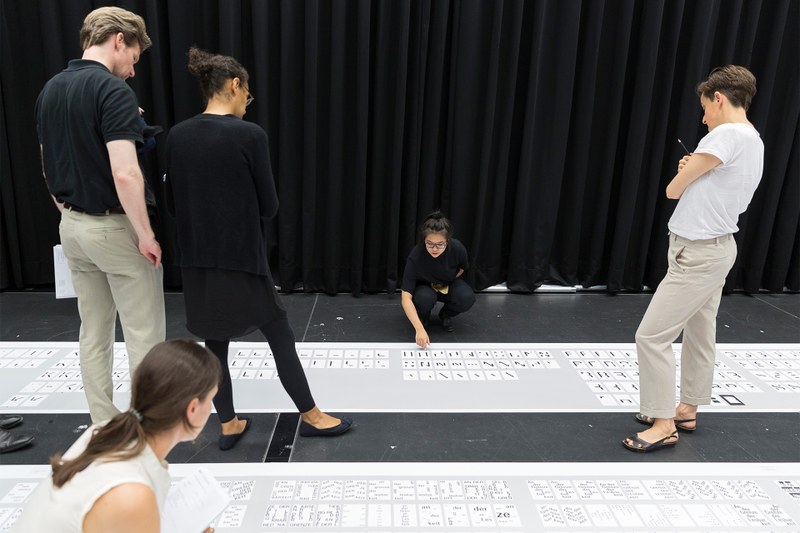
With its studios and central Campus.Workshops, HGK offers ideal conditions for combining craft curiosity, the acquisition of technical skills, and the necessary digital know-how. In addition, all students have their own 24/7 workspace in one of the spacious studios.

Projects
Loading
  • ivk_ba_06.jpg
  • ivk_ba_05.jpg

International

International Office

Detailed information on exchange opportunities can be found on the website of the International Office at HGK Basel.

Programme Head & Lecturers
Loading
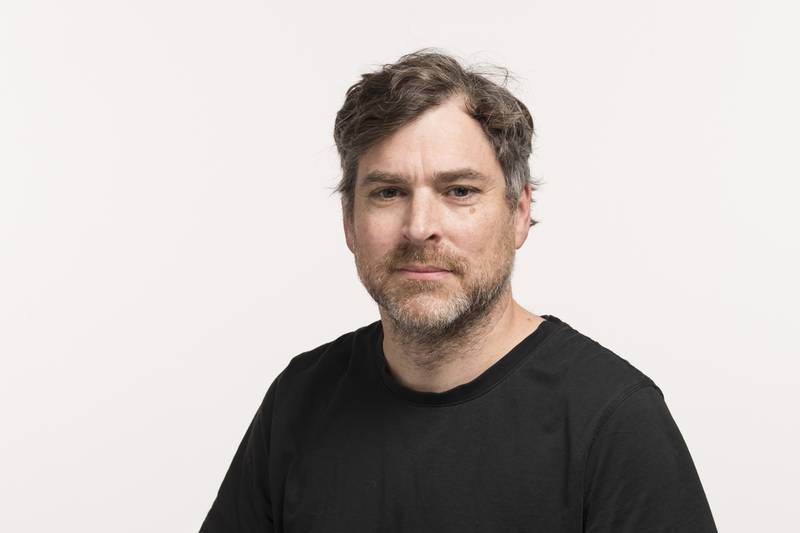
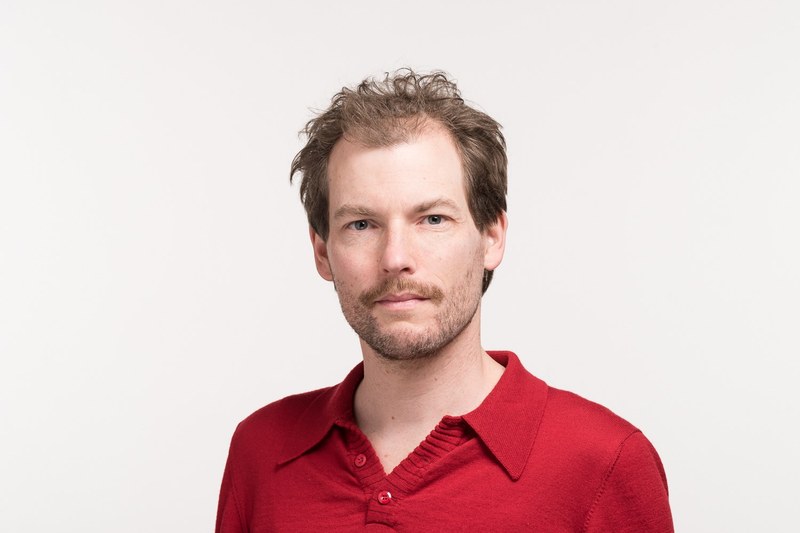
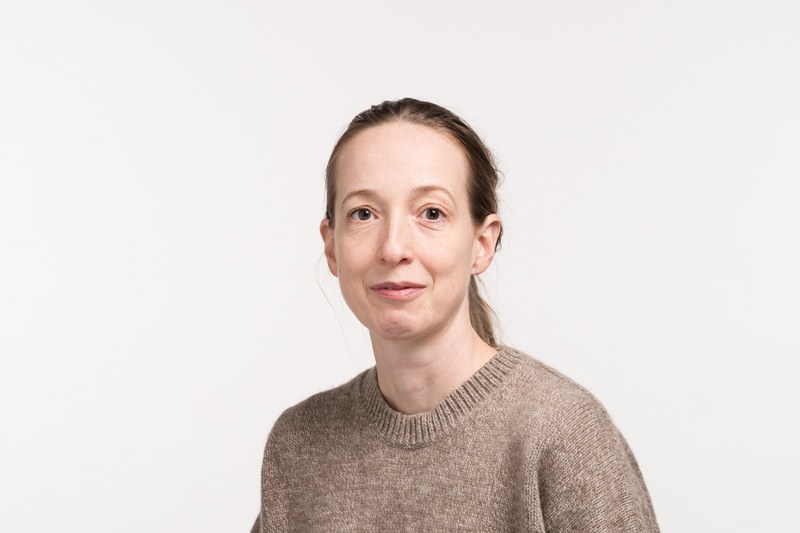
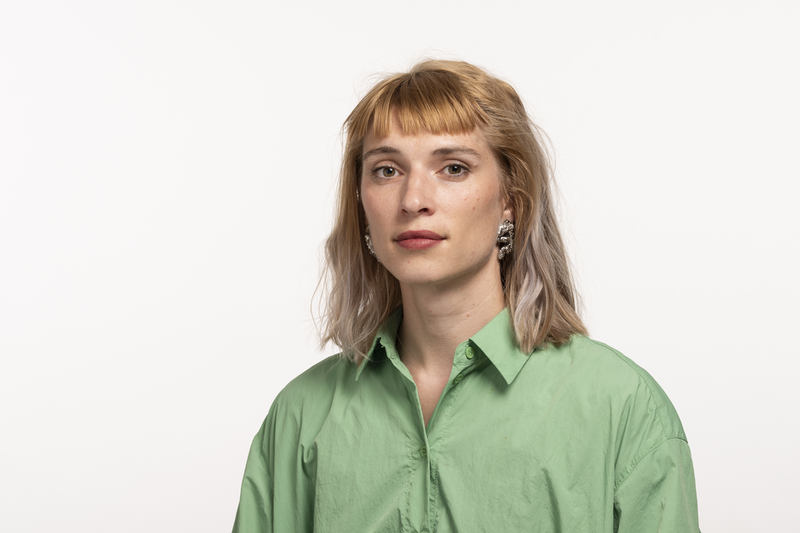
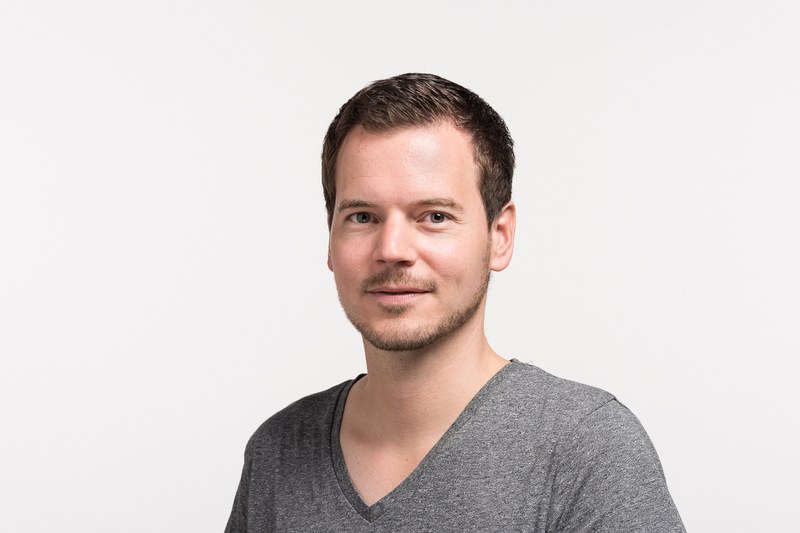
  • Annik Troxler
    Annik Troxler
  • Arno Schubbach
    Dr. Arno Schubbach
  • Bérénice Serra
    Prof. Bérénice Serra
  • Claire Reymond
    Dr. phil. Claire Reymond
  • Dirk Koy
    Dirk Koy
  • Invar-Torre Hollaus
    Invar-Torre Hollaus
  • Jinsu Ahn
    Jinsu Ahn
  • Jiri Oplatek
    Jiri Oplatek
  • Kambiz Shafei
    Dr. Kambiz Shafei
  • Leander Eisenmann
    Leander Eisenmann
  • Ludwig Zeller
    Dr. Ludwig Zeller
  • Matthias Remmele
    Matthias Remmele
  • Michael Renner
    Prof. Michael Renner
  • Paloma López Grüninger
    Dr. Paloma López Grüninger
  • Pat Löffel
    Pat Löffel
  • Philipp Stamm
    Prof. Philipp Stamm
  • Sophie Kellner
  • Ted Davis
    Ted Davis
  • Thomas Bircher
    Thomas Bircher
  • Viola Diehl
    Viola Diehl

Requirements and admission

Admission requirements

Educational requirements
For admission to the aptitude assessment for the bachelor’s programmes in Design (Industrial Design, Interior Architecture and Scenography, Fashion Design, Process Design, Visual Communication and Digital Spaces), one of the following qualifications is generally required:

  • a certified vocational baccalaureate
  • a certified specialized baccalaureate
  • a certified upper secondary school (level II) baccalaureate
  • proof of an equivalent educational degree at an upper secondary school (level II) obtained otherwise (Swiss education system)

Language of tuition
The language of tuition is German and partly English (both B2 or equivalent). Proof of language proficiency is required at the start of the degree programme.

Workplace experience or preparatory course in Design
In addition, candidates need to provide proof of one year of workplace experience or completion of a two-semester preparatory course in Design.

approved professional fields (PDF in German)

Catching up on the vocational baccalaureate
Applicants who have not completed at least three years of upper secondary schooling (level II) are not legally entitled to admission to a Bachelor's degree programme. Information concerning full-time or part-time on-the-job training courses focusing on a vocational, design-based or specialized baccalaureate is provided by the local vocational colleges.

Admission on the basis of exceptional talent (1)
In exceptional cases, applicants can be admitted to the Bachelor’s degree programmes without being in possession of an upper secondary school (level II) certificate (Swiss education system), namely if they can provide proof of exceptional talent, either in a design-related or an arts-related field. 
Note: We recommend that you make enquiries by means of an email to the office of the respective degree programme at admission.BA-viskom.hgk@fhnw.ch at least two weeks prior to the application deadline (15 February), or arrange an appointment with the Head of the degree programme.

____________
(1) If you are in possession of one of the following educational degrees, you are eligible for this mode of admission:
Federal Certificate of Vocational Proficiency EFZ (apprenticeship), Professional Certificate EBA, Specialized Secondary School (FMS), Compulsory Schooling, no educational qualification

Information of the aptitude assessment + dates + study regulations

To apply for a place at the HGK Basel, the required documents must be submitted by deadline 15.02.2025.

Please send the specific enquiries to email address.

Aptitude Assessment 2026 (PDF in german)

Dates aptitude assessment 2025

  • 01.11.2025
    Publication of the detailed information on the aptitude assessment
  • 01.03.2026
    Registration deadline and deadline for submitting the required documents for the aptitude assessment.
  • 31.08. - 11.09.2026
    Introductory weeks at the HGK Basel (mandatory)
  • 14.09.2026
    Fall Semester begin 2026/27

Study Regulations, Visual Communication and Digital Spaces (BA) PDF in EN

FAQ online registration
Loading

Advising and information events

Contact

Marion Fink

Prof. Marion Fink

Head of the BA degree programme Visual Communication and Digital Spaces
Phone
+41 61 228 40 98
E-Mail
marion.fink@fhnw.ch
Team Institute Digital Communication Environments (IDCE)

Team Institute Digital Communication Environments (IDCE)

Phone
+41 61 228 41 11
E-Mail
info.idce.hgk@fhnw.ch

Information events

Loading...


Registration

Thank you for your interest in studying at the Basel Academy of Art and Design. The application deadline for a Bachelor's degree programme beginning in the fall semester 2026/27 has expired on February 22, 2026. The next application window for the fall semester 2027/28 opens on November 1, 2026.

Visual Communication and Digital Spaces
September 2026

Date
14.9.2026
Duration
6 Semester
Place
Campus HGK Basel
Application start
1.11.2025
Final application date
1.3.2026

Visual Communication and Digital Spaces
September 2027

Date
20.9.2027
Duration
6 Semester
Place
Campus HGK Basel
Application start
1.11.2026
Final application date
15.2.2027

Institute Digital Communication Environments IDCE

FHNW University of Applied Sciences and Arts Northwestern Switzerland
Basel Academy of Art and Design
Institute Digital Communication Environments (IDCE)
High-rise: D 5.03

Freilager-Platz 1
CH - 4142 Münchenstein near Basel

+41 61 228 41 11info.idce.hgk@fhnw.chRoute planner

Campus HGK Basel

FHNW University of Applied Sciences and Arts Northwestern Switzerland
Basel Academy of Art and Design

Freilager-Platz 1
4142 Münchenstein near Basel

+41 61 228 44 44info.hgk@fhnw.chRoute plannerMore information

Basel Academy of Art and Design FHNW University of Applied Sciences and Arts Northwestern Switzerland

  • About the School
    • HGK Basel
    • Degree Programmes
    • Continuing Education
    • Research
    • News & Stories
    • Events
    • NEXT Generation Degree Projects
  • Social Media
    • Instagram
    • LinkedIn
  • About FHNW
    • Organisation
    • Schools
    • Locations
    • FHNW Library
    • Media Relations
  • Support
    • IT Support
    • Inside FHNW
    • Webmail
Logo FHNW - 20 Years
Logo Swiss Universities
Logo European University Association
© University of Applied Sciences and Arts Northwestern Switzerland (FHNW)
  • Data Protection
  • Imprint
  • Accessibility
  • DE
  • EN