Skip to main contentSkip to search barSkip to navigationSkip to footer
Logo of the University of Applied Sciences and Arts Northwestern Switzerland
  • DE
  • EN
  • Home
  • Degree programmes
  • Continuing education

Ten Schools One Goal

The FHNW comprises 10 schools with different specializations. Select a school to see its specific courses, study programmes and information.

Applied Psychology

Architecture, Construction and Geomatics

Art and Design

Business

Computer Science

Engineering and Environment

Life Sciences

Music

School of Education

Social Work

  • Research

    • Research fields
    • Projects
  • International

    • Outgoing Students
    • Incoming Students
  • Updates and insights

    • News and stories
  • Events

  • Media corner

  • About the School of Engineering and Environment

    • People directory
    • Management Board
  • Institutes

    • Institute of Automation
    • Institute of Bioenergy and Resource Efficiency
    • Institute of Business Engineering
    • Institute of Electric Power Systems
    • Institute of Technology and Society
    • Institute of Polymer Engineering
    • Institute of Applied Mathematics and Physics
    • Institute of Polymer Nanotechnology
    • Institute of Optometry
    • Institute of Product and Production Engineering
    • Institute for Sensors and Electronics
    • Institute of Thermal and Fluid Engineering
    • Laboratories of the School of Engineering and Environment
Logo of the University of Applied Sciences and Arts Northwestern Switzerland
  • About the School
    • FHNW School of Engineering and Environment
    • Degree Programmes
    • Continuing Education
    • Collaboration in Research and Services
  • Social Media
    • LinkedIn
    • Instagram
    • Facebook
    • TikTok
    • YouTube
  • About FHNW
    • Organisation
    • Schools
    • Locations
    • FHNW Library
    • Media Relations
  • Support
    • IT Support
    • Inside FHNW
    • Webmail
  • Data Protection
  • Imprint
  • Accessibility
  • Research

    • Research fields
    • Projects
  • International

    • Outgoing Students
    • Incoming Students
  • Updates and insights

    • News and stories
  • Events

  • Media corner

  • About the School of Engineering and Environment

    • People directory
    • Management Board
  • Institutes

    • Institute of Automation
    • Institute of Bioenergy and Resource Efficiency
    • Institute of Business Engineering
    • Institute of Electric Power Systems
    • Institute of Technology and Society
    • Institute of Polymer Engineering
    • Institute of Applied Mathematics and Physics
    • Institute of Polymer Nanotechnology
    • Institute of Optometry
    • Institute of Product and Production Engineering
    • Institute for Sensors and Electronics
    • Institute of Thermal and Fluid Engineering
    • Laboratories of the School of Engineering and Environment

Type a search term and search continuing education,degree programmes, events, documents and other content.

Institute of Polymer Engineering, FHNW School of Engineering and Environment

School of Engineering and Environment


  • Engineering and Environment
  • About us
  • Institutes
Institutes
topbild-ikt.jpg
  • Research focus areas
  • Selected projects
  • Laboratories
  • Network and partners
  • Publications
  • About us
  • Contact

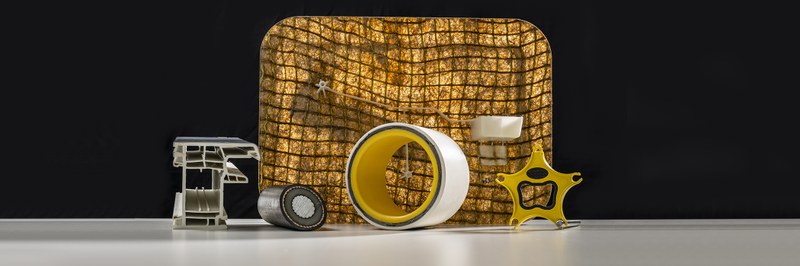
We create sustainable, plastic-based product and processes innovations with a focus on high-performance polymers and composites.

We achieve the level of ingenuity required for this by implementing an interdisciplinary approach, fusing together the fields of raw materials, construction and processing. In doing so we approach product development with plastics in a holistic way.

Our expertise in the fields of chemistry and analytics, process engineering and structural mechanics blends very well with the surface structuring and functionalisation expertise of the FHNW Institute of Polymer Nanotechnology.

Research focus areas

Selected projects

We support innovative companies in exploring the latest technologies and methods and in translating them into practical applications. We collaborate with national and international research partners and facilitate access to funding opportunities such as Innosuisse projects or European Union research programmes.
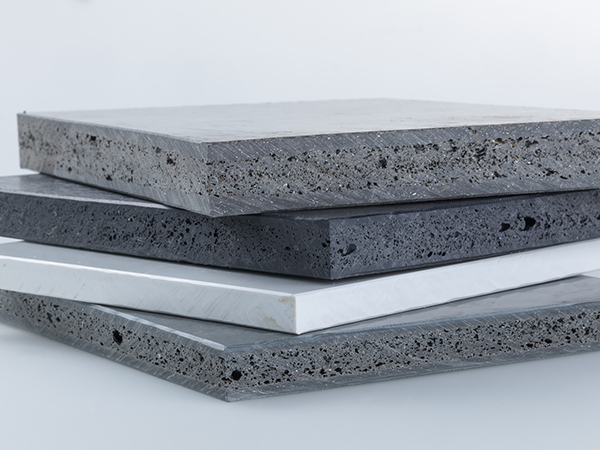
Foamed sandwich panels made of recycled mixed plastic

Together with UpBoards GmbH, recycled foamed sandwich panels made of mixed plastic were developed, including an efficient manufacturing process.
Institute
Institute of Polymer Engineering

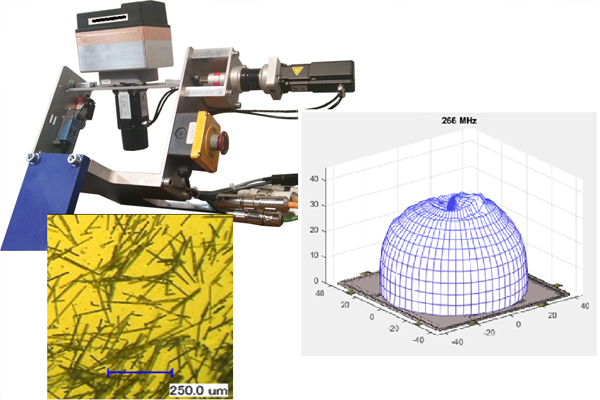
Electromagnetic shielding with conductive plastic housings

To shield interfering signals from electronics, plastics must meet high EMC requirements. They are then used as substitute materials for die-cast metal housings.
Institute
Institute of Automation, Institute of Polymer Engineering
Research field
Automation

Digitization of the temperature control unit

Innovative, model-based thermal industrial systems: Tool Temp AG and three institutes of engineering at the FHNW realized a novel control technology concept.
Institute
Institute of Automation, Institute for Chemistry and Bioanalytics, Institute of Polymer Engineering

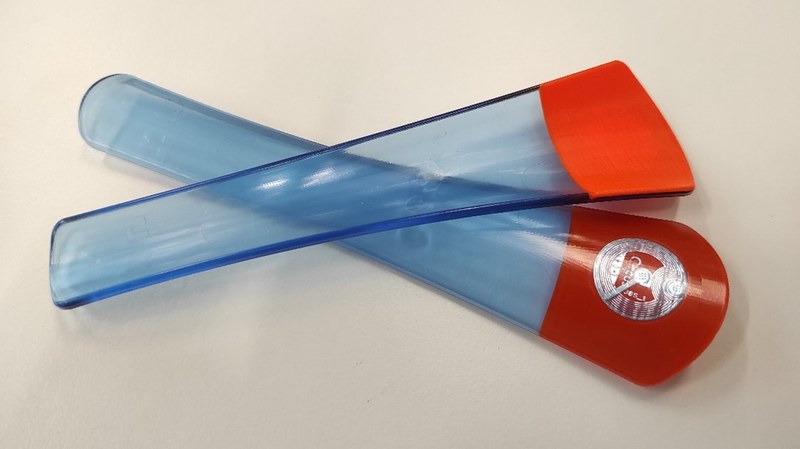
Functional prosthetic legs made of glass fiber reinforced plastic recyclate

Worldwide, 35 to 40 million people depend on prostheses and orthopedic services. Project Circleg has therefore the goal to develop a prosthetic leg system that is adapted to the needs of People with an amputation in low to middle income countries.
Institute
Institute of Polymer Engineering

Bipolar plates made from conductive polymer compounds

A new approach to produce innovative polymer composite bi-polar plates for polymer electrolyte membrane fuel cells
Institute
Institute of Polymer Engineering

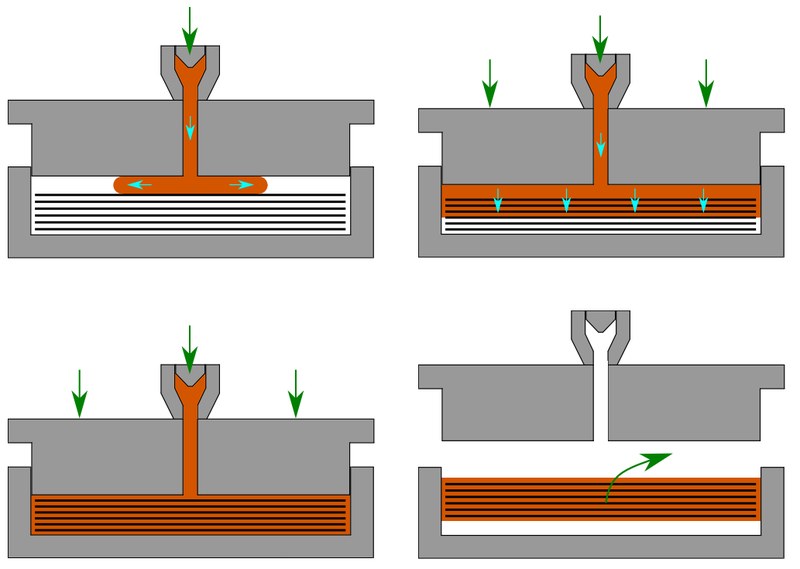
Novel method for composite production with injection compression moulding

A novel composite production method, thermoplastic compression resin transfer moulding (TP-CRTM) coupled with injection compression moulding.
Institute
Institute of Polymer Engineering

Integrated RFID tags in polymer injection molding

For the traceability of plastic components, if at all, they are marked with a simple code. The current methods for these codes are complex and do not offer the possibility of storing additional information. In the future, it should be possible to store important characteristic data of the injection molding process, the material properties and the component itself in the component by using an RFID tag.
Institute
Institute of Polymer Engineering

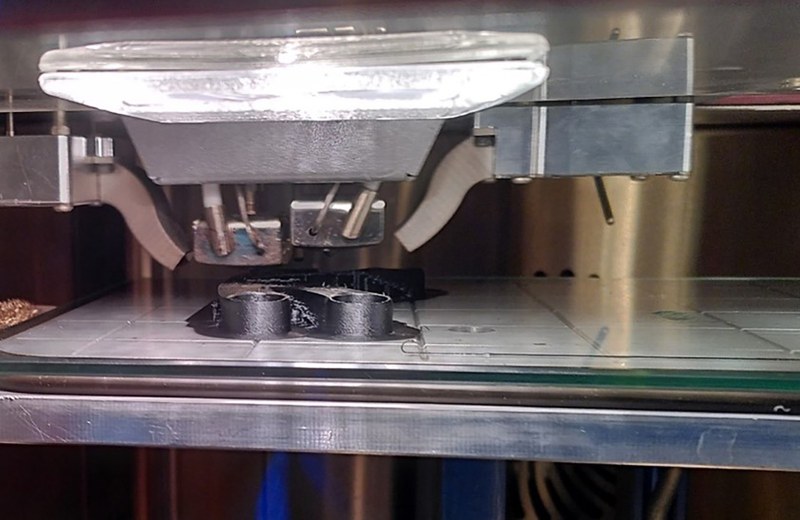
Improvement of additive manufactured parts by nanofibers

Huntsman’s Miralon material increases mechanical performance and conductivity of thermoplastics for 3D printing and injection moulding.
Institute
Institute of Polymer Engineering

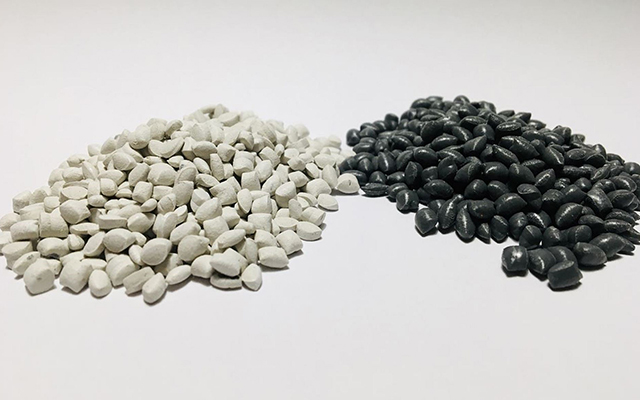
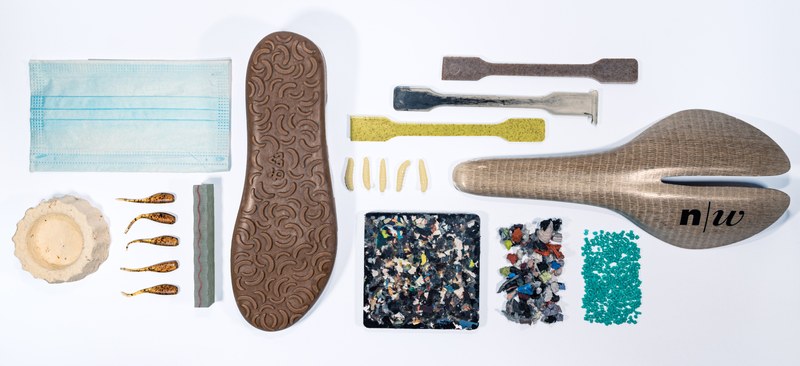
Sustainable recycling of glassfiber reinforced plastic

Plastic waste represents valuable resources. By recycling them and returning them to the materials cycle, we make our contribution to a more sustainable economy and at the same time protect our environment. Our focus is on the recycling of glass fiber-reinforced thermosets.
Institute
Institute of Polymer Engineering, Institute of Bioenergy and Resource Efficiency
Research field
Micro- and nano-technology, Energy and environment

Reusability of blister packaging from the medical technology industry

To save raw materials and protect our environment, it is necessary to return plastic waste to the economic cycle by recycling.
Institute
Institute of Polymer Engineering

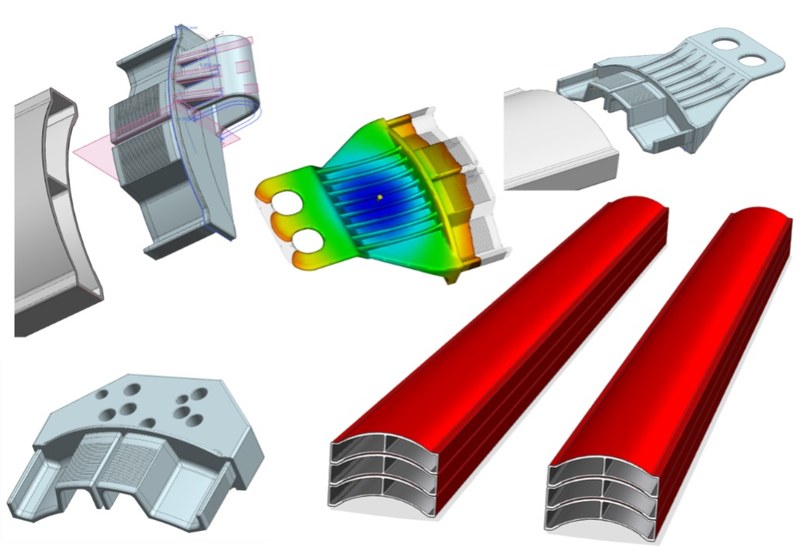
Durable toe boards made of recycled plastics

Toe boards made of recycled plastic can replace wooden boards for scaffolding construction.
Institute
Institute of Polymer Engineering

Quality enhancement through digitalisation

Using digital technologies, Biotronik significantly increases the quality of its products.
Institute
Institute of Data Science, Institute of Polymer Engineering, Institute of Interactive Technologies

Laboratories

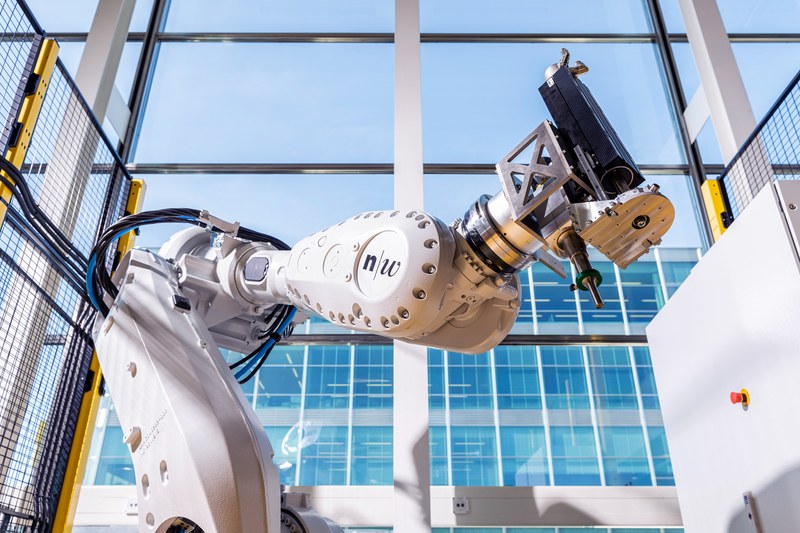
Lightweight and Composite Lab
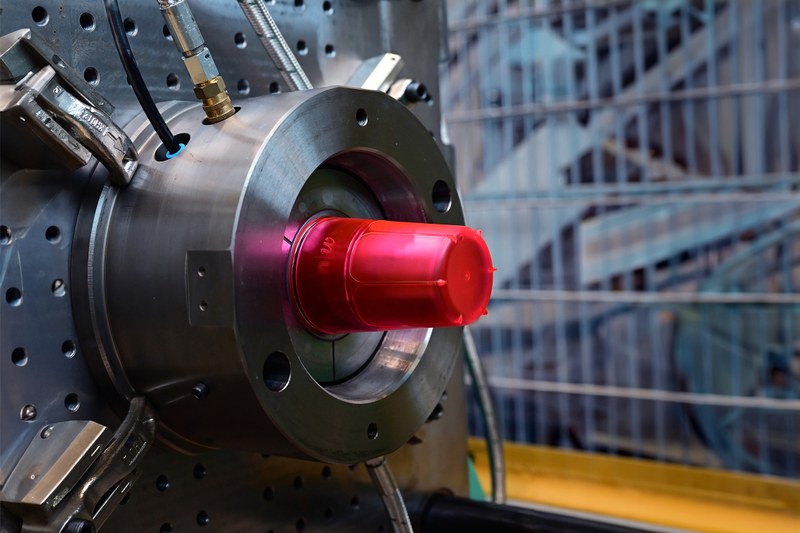
In the Lightweight and Composite Lab, fibre-reinforced materials are developed, characterised and tested through to prototypes.

Polymer Processing Lab

The Polymer Processing Lab processes and characterises materials according to established procedures, from formulation through prototyping to reuse.

Polymer Chemistry Lab

We offer synthesis, modification and wet-chemical analyses of plastics, as well as sample preparation and ageing tests.

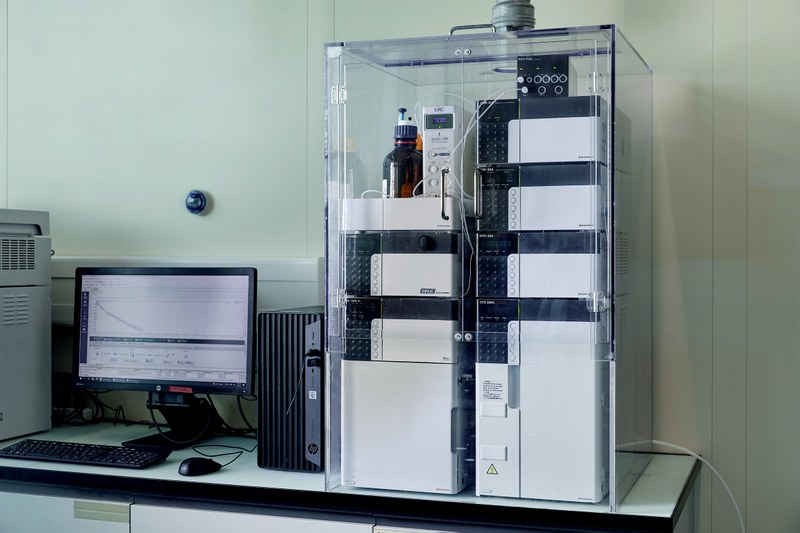
Analytical Lab for Polymers

The Analytical Lab for Polymers offers the characterisation of plastic samples using thermoanalytical and spectroscopic methods.

Network and partners

CC Schweiz is the Swiss regional department of Carbon Composites e.V." and was chosen as a national thematic network (NTN) by the Swiss Commission for Technology and Innovation (CTI). CC Schweiz focuses on promoting the use of high-performance fibre composite technologies in Switzerland. Our institute is a founding member and co-initiator of CC Schweiz. Prof. Dr. Christian Brauner is acting President of CC Schweiz.

The Innovation Booster promotes the implementation of 100% circular concepts and solutions in Switzerland. Between 2021 and 2024, the program will support Swiss start-ups and established companies with funding and knowledge transfer, helping them to transform their systems and our society from a linear to a circular economy.Prof. Dr. Christian Rytkais a member of the Innovation Booster Applied Circular Sustainabilityconsortium.

Publications

We regularly publish the results of our work in specialist journals and present them at conferences.

2025
2024
2023
2022
2021
2020
2019
2018
2017
2016
2015
2014
2013
2012
2011
2010
Other Listings

Swiss Sustainable Polymer Conference SSPC

The Swiss Sustainable Polymer Conference (SSPC) is the first Swiss-wide exchange platform for networking between industry and science in the field of the sustainable transformation of the plastics industry. In addition to informative presentations and laboratory tours, the conference offers showcases from innovative partners and start-ups as well as a wide range of networking opportunities.

About us

Team members of the institute

The interdisciplinary nature of polymer engineering requires a multitude of skills and wide-range expertise as are to be found at our institute: chemists, materials scientists and engineers all work together to develop innovations that can be launched on the market, thereby making a contribution to the competitiveness of the industry.
Team members of the institute

Contact

Markus Grob

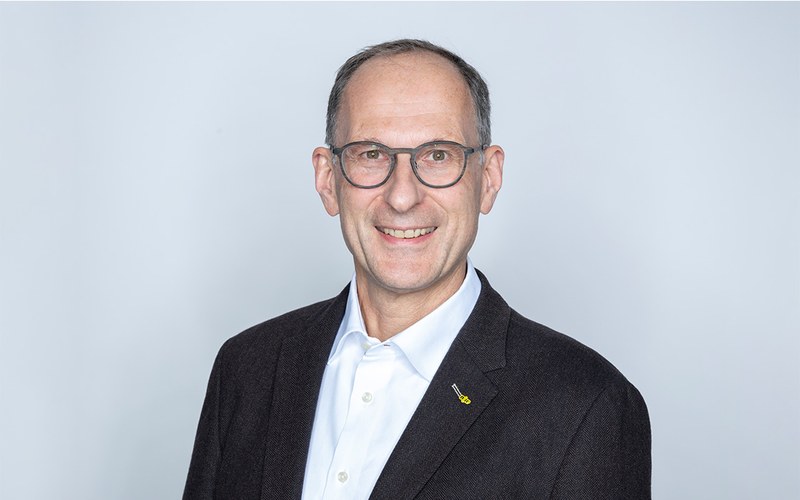
Prof. Dr. Markus Grob

Head of the FHNW Institute of Polymer Engineering
Phone
+41 56 202 85 27 (Direct)
E-Mail
markus.grob@fhnw.ch

School of
Engineering and Environment FHNW University of Applied Sciences and Arts Northwestern Switzerland

  • About the School
    • FHNW School of Engineering and Environment
    • Degree Programmes
    • Continuing Education
    • Collaboration in Research and Services
  • Social Media
    • LinkedIn
    • Instagram
    • Facebook
    • TikTok
    • YouTube
  • About FHNW
    • Organisation
    • Schools
    • Locations
    • FHNW Library
    • Media Relations
  • Support
    • IT Support
    • Inside FHNW
    • Webmail
Logo FHNW - 20 Years
Logo Swiss Universities
Logo European University Association
© University of Applied Sciences and Arts Northwestern Switzerland (FHNW)
  • Data Protection
  • Imprint
  • Accessibility
  • EN
  • DE