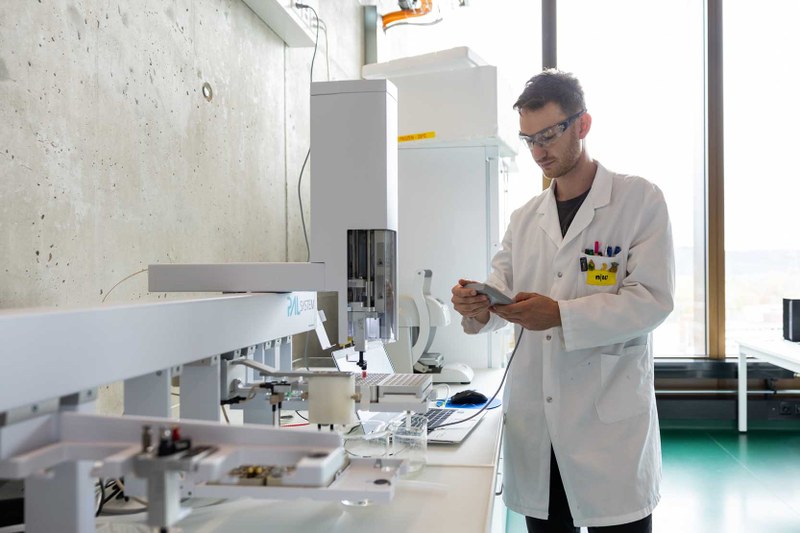
Working with industry and government to measure and remediate PFAS
PFAS (per- and polyfluoroalkyl substances), also called forever chemicals, are present in most environments and organisms on earth. They pose a risk to our health and can lead to the development of cancer, immune and metabolic diseases, and reproductive and developmental disorders.
Regulations for reducing the use of PFAS in consumer and industrial products, as well as setting limits for their presence in water, soil, air, and food, are constantly evolving. Companies and government agencies are adapting to meet these regulatory requirements.
The PFAS Competence Centre at the FHNW School of Life Sciences is a leader in analysing PFAS and developing technologies for their removal. We work with industry and government authorities in Switzerland, Europe, and around the world to measure and remediate PFAS.
Our R&D services
- Analysing and quantifying PFAS in water, soil, air, plants, food, and organisms using GC-MS, LC-MS, and ion chromatography
- Removing PFAS from water and soil using adsorption, reverse osmosis and nanofiltration, ion exchange, or a combination of these technologies
- Developing measurement and decontamination strategies relating to PFAS
News and events
Research and facilities
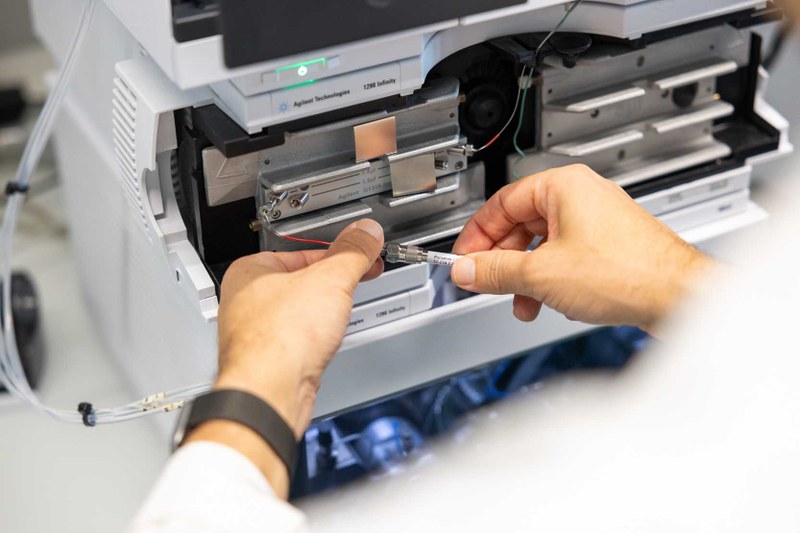
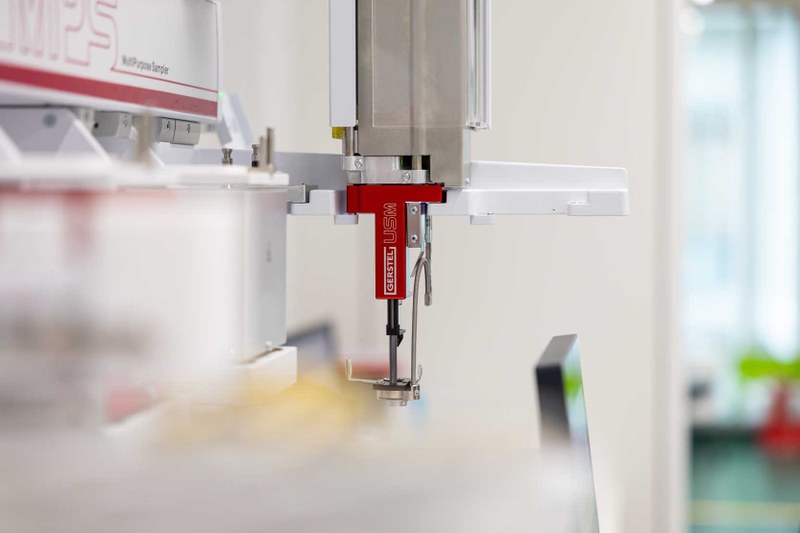
The following research groups and facilities at the FHNW School of Life Sciences can assist industry and government agencies in managing PFAS.
Research groups
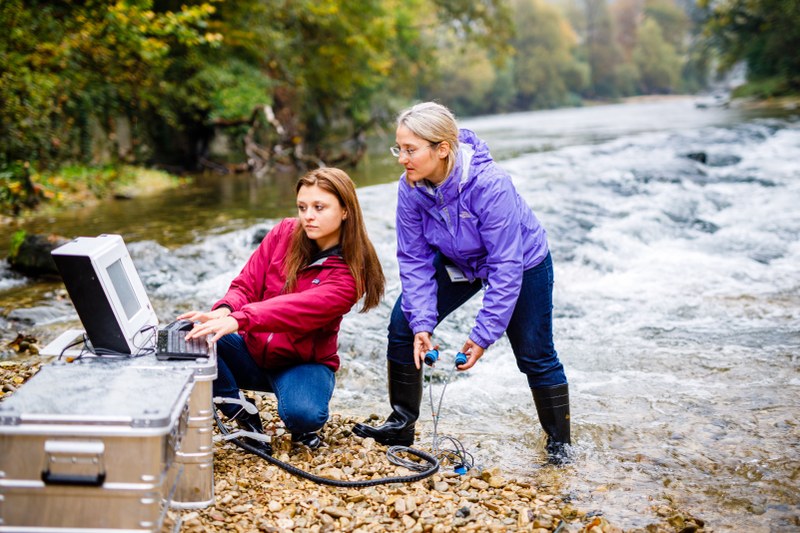
Ecotoxicology
- Institute
- Institute for Ecopreneurship

Environmental and water technologies
- Institute
- Institute for Ecopreneurship

Instrumental analytics
- Institute
- Institute for Chemistry and Bioanalytics

Sustainable chemistry
- Institute
- Institute for Ecopreneurship
Facilities
Projects
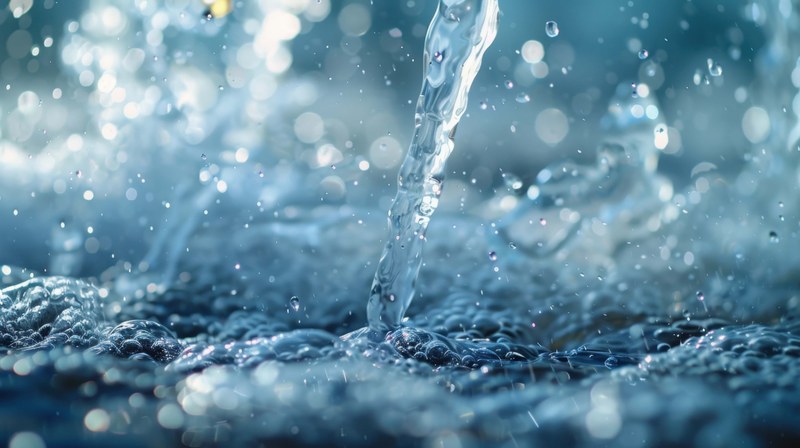
Removing PFAS from water
- Institute
- Institute for Ecopreneurship
- Research field
- Sustainable chemistry
Education
The FHNW School of Life Sciences offers Bachelor, Master, and Continuing Education programmes and courses that include specialised training on the measurement, removal, and management of PFAS. Our curriculum reflects the latest technologies and draws on our practical experience in working with clients.
- Bachelor in Life Sciences, Chemistry (German)
- Bachelor in Life Sciences, Environmental Sciences and Technologies (German)
- Master in Life Sciences, Analytical Chemistry
- Master in Life Sciences, Environmental Technologies
- SAS PFAS: Current technologies for sustainable industrial processes (German)
- CAS Sustainable Production and Processes (German)
Publications
- J. Freilinger et al., “Development of a fluorophilic ion-exchange material with dual binding mechanism for solid-phase extraction of PFAS,” Journal of Hazardous Materials Letters, vol. 6, p. 100158, Nov. 2025, doi: 10.1016/j.hazl.2025.100158.
- R. Häusler et al., “Automated derivatization and sample preparation protocol for ultrashort-chain PFCAs of water samples for GC-MS/MS detection,” Green Analytical Chemistry, vol. 19, p. 100385, Aug. 2026, doi: 10.1016/j.greeac.2026.100385.
- J. Schobel et al., “A PFAS-selective semifluoroalkylated polyvinylimidazolium resin for reversible adsorption of anionic fluorosurfactants,” Water Research, vol. 303, p. 126201, Jun. 2026, doi: 10.1016/j.watres.2026.126201.
Contact

Prof. Dr. Marco Rupprich
- Phone
- +41 61 228 60 75
- marco.rupprich@fhnw.ch
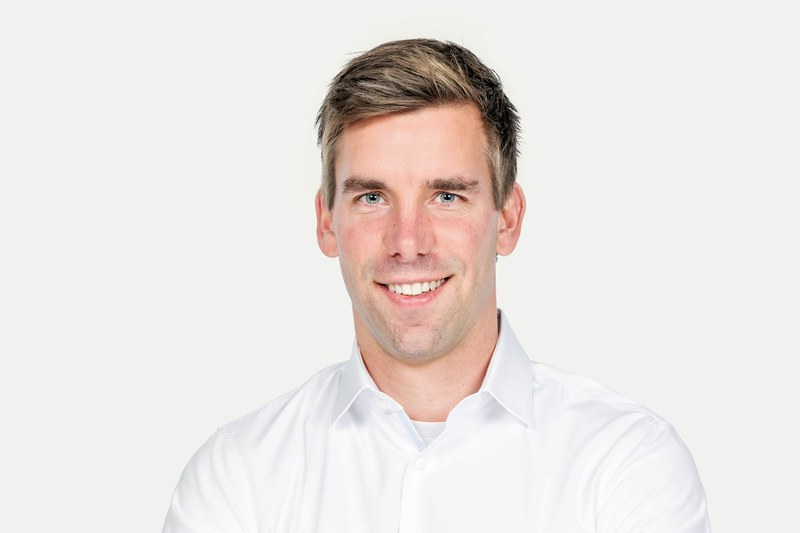
Prof. Dr. Stefan Gaugler
- Phone
- +41 61 228 50 98
- stefan.gaugler@fhnw.ch
FHNW School of Life Sciences
FHNW University of Applied Sciences and Arts Northwestern Switzerland
School of Life Sciences
Hofackerstrasse 30
CH - 4132 Muttenz