Zu Hauptinhalt springenZur Suche springenZu Hauptnavigation springenZu Footer springen
Logo der Fachhochschule Nordwestschweiz
  • DE
  • Startseite

Zehn Hochschulen Ein Ziel

Die FHNW umfasst 10 Hochschulen mit unterschiedlichen Schwerpunkten. Wählen Sie eine Hochschule aus, um deren spezifische Kurse, Studiengänge und Informationen zu sehen.

Angewandte Psychologie

Architektur, Bau und Geomatik

Gestaltung und Kunst

Informatik

Life Sciences

Musik

Pädagogische Hochschule

Soziale Arbeit

Technik und Umwelt

Wirtschaft

  • Studienangebot

    • Alle Studiengänge
    • Kindergarten-/Unterstufe
    • Primarstufe
    • Sekundarstufe I
    • Sekundarstufe II
    • Logopädie
    • Sonderpädagogik
    • Info-Anlässe
  • Warum an der PH FHNW studieren

    • Berufliche Neuorientierung
    • Studium mit Begleitetem Berufseinstieg
    • Berufserfahrung durch Praktika
    • Studieren in Brugg-Windisch
    • Studieren in Muttenz
    • Studieren in Olten
  • Rund ums Studium

    • Kontakt und Beratung
    • Zulassung und Rechtliches
    • Hilfreiches für die Anmeldung
  • Mobilität

    • Outgoing Studierende
    • Incoming Studierende
    • Partnerhochschulen
  • Weiterbildungsangebot

    • Alle Weiterbildungen
    • Tagungen und spezielle Veranstaltungen
    • Stufenerweiterungen und Facherweiterungen
  • Themen und Expertisen

    • Newsletter & QiNFO
  • Organisatorisches

    • Zu Formaten
    • Für Zielgruppen
    • Über kantonale Finanzierungen
    • Reglemente und Merkblätter
  • Dienstleistungsangebot

    • Alle Dienstleistungen
    • Schulinterne Angebote
    • Coaching und Fachberatung
  • Beratungsstellen

    • Bildung für Nachhaltige Entwicklung
    • Unterrichtsentwicklung und Lernbegleitung
    • Gesundheitsbildung und Prävention
    • Digitale Medien in Schule und Unterricht - imedias
    • Theaterpädagogik
  • Organisatorisches

    • Über kantonale Finanzierungen
  • Forschung

    • Forschungsfelder
    • Alle Forschungsprojekte
  • Entwicklung

    • Entwicklungsprojekte
  • Neuigkeiten und Einblicke

    • News und Storys
    • Das Heft. Das Magazin der PH FHNW
  • Veranstaltungen

    • Alle Veranstaltungen
    • Info-Anlässe
    • phkultur-Veranstaltungen
  • Medienstelle

    • Medienmitteilungen
  • Über die PH FHNW

    • Strategische Ausrichtung
    • Leitung
    • Gremien und Netzwerk
    • Partnerschulen
    • Praxislehrpersonen
    • Gleichstellung und Diversity
    • Rechtliche Grundlagen
    • Personenverzeichnis
  • Institute

    • Institut Kindergarten-/Unterstufe
    • Institut Primarstufe
    • Institut Sekundarstufe I und II
    • Institut Spezielle Pädagogik und Psychologie
    • Institut Weiterbildung und Beratung
    • Institut Forschung und Entwicklung
Logo der Fachhochschule Nordwestschweiz
  • Zur Hochschule
    • Über die PH der Nordwestschweiz
    • Studium
    • Weiterbildung
    • Dienstleistungen
    • Forschung und Entwicklung
    • Events
    • News
  • Social Media
    • LinkedIn
    • Instagram
  • Die FHNW
    • Organisation
    • Hochschulen
    • Standorte
    • Bibliothek FHNW
    • Jobs und Karriere
    • Medienkontakte
  • Support
    • IT-Support
    • Inside FHNW
    • Webmail
  • Datenschutz
  • Impressum
  • Accessibility
  • Studienangebot

    • Alle Studiengänge
    • Kindergarten-/Unterstufe
    • Primarstufe
    • Sekundarstufe I
    • Sekundarstufe II
    • Logopädie
    • Sonderpädagogik
    • Info-Anlässe
  • Warum an der PH FHNW studieren

    • Berufliche Neuorientierung
    • Studium mit Begleitetem Berufseinstieg
    • Berufserfahrung durch Praktika
    • Studieren in Brugg-Windisch
    • Studieren in Muttenz
    • Studieren in Olten
  • Rund ums Studium

    • Kontakt und Beratung
    • Zulassung und Rechtliches
    • Hilfreiches für die Anmeldung
  • Mobilität

    • Outgoing Studierende
    • Incoming Studierende
    • Partnerhochschulen
  • Weiterbildungsangebot

    • Alle Weiterbildungen
    • Tagungen und spezielle Veranstaltungen
    • Stufenerweiterungen und Facherweiterungen
  • Themen und Expertisen

    • Newsletter & QiNFO
  • Organisatorisches

    • Zu Formaten
    • Für Zielgruppen
    • Über kantonale Finanzierungen
    • Reglemente und Merkblätter
  • Dienstleistungsangebot

    • Alle Dienstleistungen
    • Schulinterne Angebote
    • Coaching und Fachberatung
  • Beratungsstellen

    • Bildung für Nachhaltige Entwicklung
    • Unterrichtsentwicklung und Lernbegleitung
    • Gesundheitsbildung und Prävention
    • Digitale Medien in Schule und Unterricht - imedias
    • Theaterpädagogik
  • Organisatorisches

    • Über kantonale Finanzierungen
  • Forschung

    • Forschungsfelder
    • Alle Forschungsprojekte
  • Entwicklung

    • Entwicklungsprojekte
  • Neuigkeiten und Einblicke

    • News und Storys
    • Das Heft. Das Magazin der PH FHNW
  • Veranstaltungen

    • Alle Veranstaltungen
    • Info-Anlässe
    • phkultur-Veranstaltungen
  • Medienstelle

    • Medienmitteilungen
  • Über die PH FHNW

    • Strategische Ausrichtung
    • Leitung
    • Gremien und Netzwerk
    • Partnerschulen
    • Praxislehrpersonen
    • Gleichstellung und Diversity
    • Rechtliche Grundlagen
    • Personenverzeichnis
  • Institute

    • Institut Kindergarten-/Unterstufe
    • Institut Primarstufe
    • Institut Sekundarstufe I und II
    • Institut Spezielle Pädagogik und Psychologie
    • Institut Weiterbildung und Beratung
    • Institut Forschung und Entwicklung

Geben Sie einen Suchbegriff ein und suchen Sie nach Weiterbildungen, Studienangeboten, Veranstaltungen, Dokumenten und anderen Inhalten.

  • Pädagogische Hochschule
  • Forschung und Entwicklung
  • Forschung
  • Projekte
Projekte

Understanding the resilience pathways of adolescent students with experience of physical family violence, Pädagogische Hochschule FHNW

Pädagogische Hochschule FHNW


The interplay of individual, family and school class risk and protective factors

IFE_Haupt_2.jpg

Projektdetails

Typ
Forschungsprojekt
Themen
Bildung und Pädagogik
Hochschule/Institut
Pädagogische Hochschule FHNW / Institut Forschung und Entwicklung

A project of the Institution for Research and Developement
SNF-Project 100019_185481/1

Article EU Research "Beyond Survival: Understanding Resilience in Adolescents Facing Family Violence"

Internationally, approximately one in five adolescents experience physical family violence. A large body of research has shown that exposure to family violence in adolescence has a negative impact on later life events. However, there is a lack of empirically based knowledge regarding changes in the resilience of adolescents in the face of physical family violence experienced over time, especially of studies investigating risk and protective factors influencing resilience pathways for adolescents.

The aims

Our goal is to examine the relationship between exposure to physical family violence and known risk and protective factors modelled with individual, family and school class predictors. Resilience is understood as a condition that reflects both adolescents’ internalizing (depression) and externalizing (aggression against peers) indicators as the most central symptoms in adolescence of the experience of physical family violence.
We are interested in understanding

  • the stability over time of the resilience status,
  • the interplay of procedural risk and protective factors for resilience pathways over time,
  • how these patterns work for the different resilient groups of adolescents.

The study

The study will employ a public schoolbased questionnaire with 2,700 pupils (ages 14 to 16, seventh to ninth grades) and their respective 98 classteachers from 98 high school classes in Switzerland. To understand and identify resilience pathways and analyse resilience stability, we will examine after the t0‐baseline when entering high‐school at three time points, namely the end of the respective school year in high school in the seventh (t1), eighth (t2) and ninth (t3) grades.

Relevance and Impact

Heterogeneity is at the centre of the research, developing differential pathway models to identify how adolescents’ lives can be comprehended in terms of resilience in the face of experiencing physical family violence. Empirically validated knowledge on how to support adolescents exposed to family violence is fundamental but still a desideratum for solid intervention and prevention at schools and in families.
How adolescents may perceive school as a safe place and where they may find some support to deal with the impact of family violence exposure (Buckley et al., 2007; Byrne & Taylor, 2007) is one of the main topics of this project.  Adolescents students may have limited coping skills when facing exposure to family violence and, because teachers are in contact with students on a regular basis, they play an important role in supporting adolescents as they attempt to cope with the impact of family violence, serving as positive role models for children, and enhancing children’s safety (Baker & Cunningham, 2009; Haeseler, 2013). Supporting students self-esteem and self-efficacy and parallelly reducing depression and aggression rates at school can also be considered as a central goal on cross-curricular competences of the new Swiss curriculum Lehrplan 21 (Erziehungsdirektorenkonferenz, 2014). One of our main results will be enabling teachers and student teachers to understand the dynamics and effects of family violence and especially the role of schools on resilience patterns. We will develop and apply courses for basic teacher training and additionally offer courses for continuing education programmes.

The results of the project will be relevant for

  • Educational and Psychological academic specialists who are involved in research on social development of adolescent students and interested in the complex patterns to improve adolescents’ developmental outcomes despite family violence.
  • teacher experts, social workers, and instructors from applied research who are interested in a more practice application of the project’s insights in classroom management, teacher training or for evaluation purposes in school when e.g, running a violence prevention programme.

Finally, a closing conference with national and international attendees will be organized in year four.

Project lead (Principal investigator)
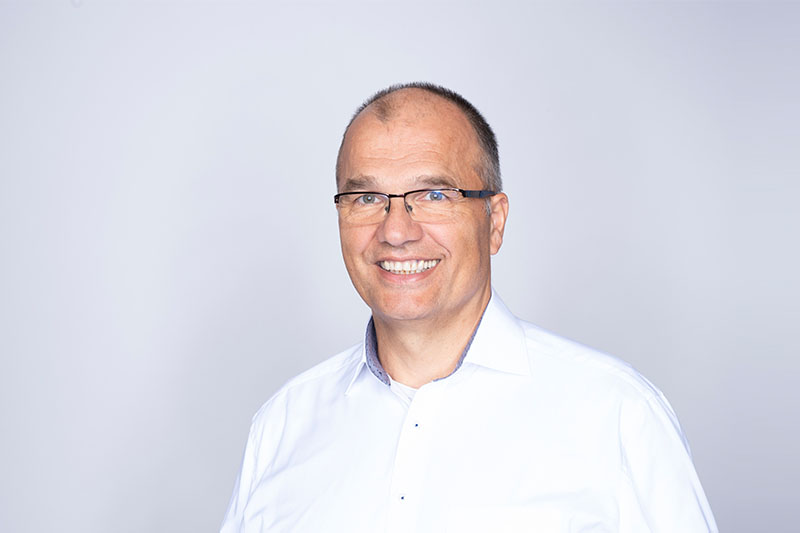
laden
Advisory board
  • Dr. Sibylle Artz, School of Child and Youth Care, University of Victoria, Victoria BC, Canada: A resilience expert on the effects of family violence on adolescents and on gender specific physical aggression and depression in adolescence.
  • Ron Halbright, CEO of NCBI Switzerland (National Coalition Building Institute): An expert on school prevention programs on violence and on interventions against family violence.
  • Dr. Angie Hart, Professor of Child, Family and Community Health at the University of Brighton and Director of the Centre of Resilience for Social Justice, Brighton, United Kingdom: A resilience expert on family violence and on social protective and risk factors.
  • Dr. Odin Hjelmdal, Resilience Center, Department of Psychology, Norwegian University of Science and Technology, Trondheim, Norway: A resilience expert and an expert on depression in adolescence.
  • Dr. Christoph Müller, Department of Special Education, University of Fribourg, Fribourg, Switzerland: An expert on physical aggression longitudinal studies and specialized on the effects of classroom composition to aggression and depression in adolescence.

Pädagogische Hochschule FHNW Fachhochschule Nordwestschweiz FHNW

  • Zur Hochschule
    • Über die PH der Nordwestschweiz
    • Studium
    • Weiterbildung
    • Dienstleistungen
    • Forschung und Entwicklung
    • Events
    • News
  • Social Media
    • LinkedIn
    • Instagram
  • Die FHNW
    • Organisation
    • Hochschulen
    • Standorte
    • Bibliothek FHNW
    • Jobs und Karriere
    • Medienkontakte
  • Support
    • IT-Support
    • Inside FHNW
    • Webmail
Logo FHNW - 20 Jahre
Logo Swiss Universities
Logo European University Association
© FHNW Fachhochschule Nordwestschweiz
  • Datenschutz
  • Impressum
  • Accessibility
  • DE